Tips
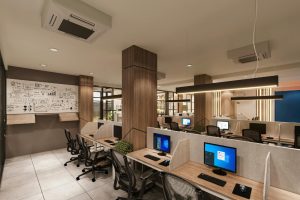
What Causes Uneven Cooling in Open-Plan Offices?
We have all been there. You are sitting at your desk in a jumper while the person three metres away is practically fanning themselves with


Healthcare facilities handle high volumes of soiled dishes that may carry harmful pathogens. Without the right equipment, maintaining hygiene and infection control becomes difficult. A domestic or outdated unit cannot meet the thermal disinfection needs of a clinical setting. This leads to audit failure, increased infection risks, and workflow inefficiencies.
A commercial dishwasher designed for hospitals and aged care facilities solves these issues. It achieves the high-temperature rinse cycles required for thermal disinfection, supports proper segregation of clean and dirty items, and meets healthcare compliance standards.
This guide explains what to look for when selecting, installing, and maintaining a commercial dishwasher in healthcare environments. It covers regulatory temperature requirements, installation criteria, and service planning to support safe, efficient, and compliant operations.
The main purpose of a commercial dishwasher in healthcare is thermal disinfection. Unlike basic cleaning, this process uses heat to destroy pathogens and reduce the risk of infection in high-risk settings like aged care kitchens or hospital wards.
Australian Standard AS/NZS 4187:2014 requires the final rinse cycle to reach at least 82°C. This ensures that healthcare-associated infections (HCAIs) are minimised. Most machines maintain a wash phase at around 60°C, followed by a high-temperature rinse to meet compliance targets.
Facilities transitioning to AS 5369:2023 must review their dishwashing systems against the new disinfection guidelines outlined in the official NSQHS update. During audits, inspectors may request records such as temperature logs, chemical usage reports, and service documentation. Dishwashers that do not meet the required thermal standards may trigger non-compliance under NSW Health Policy PD2015_008.

Selecting the right commercial dishwasher depends on space, load size, and staff workflow. Hospitals and aged care kitchens must match the machine type to daily operational demands while ensuring thermal compliance.
Undercounter units work in low-capacity areas such as small wards or staff kitchenettes. While compact, these still require a dedicated 15A or 20A circuit and professional installation to support consistent operation.
Pass-through dishwashers are common in aged care homes and hospital kitchens. Dishes are loaded onto racks, pushed into the unit, and washed in short cycles. These machines support a clean-to-dirty workflow that separates soiled and sanitised items for safety.
Rack conveyor models are suited to large hospitals with high-volume service. They automate the entire wash process across pre-rinse, wash, rinse, and drying zones. Installation requires more space and infrastructure, making them best for centralised kitchens.
When planning, it’s critical to select equipment from suppliers familiar with health sector needs. View suitable commercial dishwasher options designed for hospital and aged care compliance.

Proper installation is essential for the safe and compliant operation of a commercial dishwasher. Failing to assess site conditions before purchase often leads to delays, extra costs, or code violations.
Electrical setup must match the dishwasher’s power rating. Most pass-through and conveyor models require a 415VLT 3-phase supply. Installation must be completed by a licensed electrician, including safety switches and a nearby lockable isolator. Hardwiring is required to meet electrical standards.
Water connectionsmust deliver a hot feed of at least 60°C. This helps the machine maintain sanitising rinse temperatures without overloading internal heaters. Water pressure between 2 and 4 bar is needed for reliable cycles. Booster pumps may be required if municipal pressure is low.
Drainage capacity must match the rapid outflow of hot water from rinse cycles. If the drain is positioned higher than the outlet, a model with an integrated drain pump is necessary to prevent water pooling.
Ventilation systems must manage steam release. Units produce intense heat and humidity when opened, increasing the risk of slips and thermal discomfort. A stainless steel extraction hood is recommended above pass-through or conveyor models to direct steam outside.

Maintaining water quality and correct dosing is essential for consistent dishwasher performance in healthcare settings. Poor water conditions or improper chemical use can lead to hygiene risks, equipment failure, and audit non-compliance.
Water hardness affects the life of a commercial dishwasher. Hard water deposits calcium and magnesium, causing scale build-up on heating elements and clogging wash arms. This reduces heat transfer, increases energy use, and shortens the unit’s service life. Installing a commercial-grade water softener helps prevent these issues and protects performance over time.
Detergent and rinse aid dosing must be automated and calibrated. Built-in dosing pumps ensure accurate chemical delivery for each cycle, but these systems must be adjusted based on water quality and soil load. Incorrect dosing results in poor sanitisation or chemical residue, both of which impact infection control.
Daily cleaning proceduresmust be part of the staff routine. This includes:
These steps reduce biofilm, maintain hygiene, and prevent malfunctions between scheduled servicing.

Routine maintenance is necessary to keep commercial dishwashers operating safely and within healthcare compliance. Skipping service increases the risk of breakdowns and audit failure due to temperature or hygiene faults.
Daily checks by kitchen staff are not enough to maintain long-term performance. Healthcare facilities must engage licensed technicians to carry out professional preventative maintenance at regular intervals, usually every six months.
During these visits, technicians:
All service work should be logged with timestamped records. These documents support compliance with health regulations such as AS/NZS 4187 and are often requested during accreditation audits. Technicians must also verify that the unit consistently achieves the required 82°C rinse temperature and uses the correct chemical concentrations.
Facilities using HACCP protocols may require additional validation of wash cycles. In these cases, thermal testing or surface swab sampling can confirm that sanitisation thresholds are being met.
To arrange a service schedule or find support for maintenance issues, contact a qualified commercial dishwasher service provider familiar with healthcare standards.
Installing the right dishwasher is only one part of a compliant washing setup in healthcare. A complete system must also include suitable infrastructure, consistent chemical supply, regular servicing, and equipment that supports accurate performance monitoring.
Key components of a compliant setup:
Facilities with structured maintenance routines are more likely to pass inspections and avoid equipment failure. Some providers offer commercial dishwashers that meet healthcare compliance and hygiene standards.
These systems should match the facility’s layout, staff availability, and daily volume. Selection should prioritise reliability, compliance, and integration into existing processes.
Hospitals and aged care homes need commercial dishwashing systems that meet infection control standards without disrupting daily operations. Coles Refrigeration & Air Conditioning supports healthcare providers with reliable equipment, expert installation, and scheduled servicing that align with current regulatory frameworks.
Our team understands the requirements under AS/NZS 4187 and the transition to AS 5369. We work with facility managers, infection control teams, and auditors to ensure every component of the system meets safety and hygiene expectations.
We supply high-performance dishwashers, dosing equipment, and softening systems that are suited to healthcare volumes. Our licensed technicians provide detailed site assessments, coordinate with electricians and plumbers, and ensure systems are hardwired, tested, and compliant from day one.
Facilities across Newcastle and the Hunter trust us to deliver responsive servicing and clear compliance reporting. Whether you’re planning a new installation or upgrading an ageing unit, our team will help you build a system that supports consistent disinfection and efficient workflow.Contact us to discuss commercial dishwasher solutions for your healthcare kitchen or service area.
We have all been there. You are sitting at your desk in a jumper while the person three metres away is practically fanning themselves with
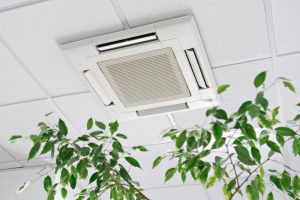
You know the scenario. You’ve got the ducted air con set to a comfortable 24°C. The living room feels perfect. But walk down the hallway