
Tips
What Causes Uneven Cooling in Open-Plan Offices?
We have all been there. You are sitting at your desk in a jumper while the person three metres away is practically fanning themselves with

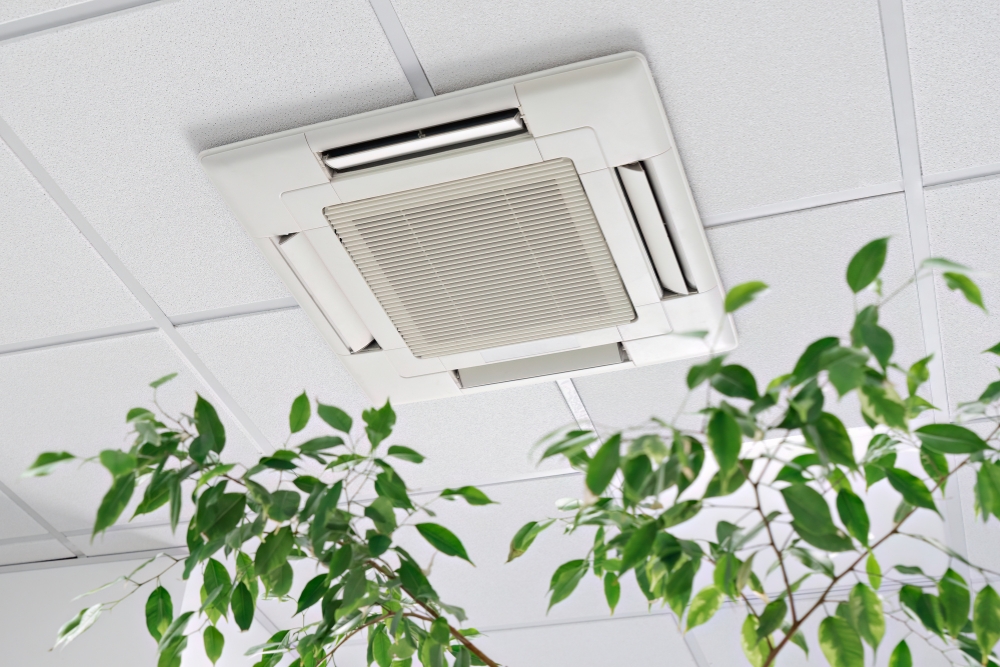
You know the scenario. You’ve got the ducted air con set to a comfortable 24°C. The living room feels perfect. But walk down the hallway to the kids’ bedrooms, and it feels like you’ve stepped into a sauna. Or worse, one room is whistling like a kettle because the airflow is blasting through so hard.
That’s an airflow balance problem.
It’s one of the most common calls we get receive, people spend good money on a quality ducted system, but if the air isn’t going where it’s supposed to, you’re just paying to cool the inside of your roof cavity.
Here’s what’s happening in your ductwork and how to fix it.
Air is lazy. It always takes the path of least resistance.
If you have a short, straight duct running to the lounge room and a long, winding duct running to the back bedroom, the air will naturally rush to the lounge. The back bedroom gets the leftovers.
When a system is balanced, we’ve engineered it, so the resistance is equal across all runs. This means every room gets the air volume it needs to hit the target temperature at the same time.
If you ignore it:

This is the technical bit, but it’s important.
In a modern multi-zone system (like the Daikin or ActronAir units we often install), you might shut off three out of four zones. For example you’re just using the master bedroom at night, so cooling in the day isn’t required.
The system is still pumping out air. If you close 75% of the outlets, that pressure must go somewhere.
A strictly ‘dumb’ system will try to force 100% of the air through 25% of the ducts. This can cause a pressure buildup.
To fix this, we use a Bypass Damper.
Think of it as a pressure relief valve. It sits between the supply air (cold) and the return air (warm). When the pressure gets too high because you’ve closed off zones, the damper opens and recirculates the excess air back into the return. It keeps the system pressure steady and protects your fan motor.
If your system is noisy or revving up and down, your bypass damper might be stuck or set incorrectly.
Before you call us out to Newcastle or the Hunter Valley, check these three things. You’d be surprised how often what seems to be a broken air con is just a simple restriction.
Grab a piece of A4 paper. Hold it up to the return air grille (usually the big one in the hallway).
We say this constantly, but a blocked filter destroys airflow balance. If the unit can’t breathe in, it can’t breathe out. If you haven’t cleaned it since last summer, do it now.
Did you recently push a tall wardrobe in front of a supply vent? Or move the couch over the return air grille? We see this all the time. Blocked vents throw the pressure balance out instantly.
Sometimes the issue is in the design or the setup. If the DIY checks didn’t help, you likely need professional air conditioning services to physically rebalance the system.
When we come out, we don’t just guess. We use an anemometer (a hood that goes over the vent) to measure the exact litres per second (L/s) of air coming out of each outlet.
We might need to:
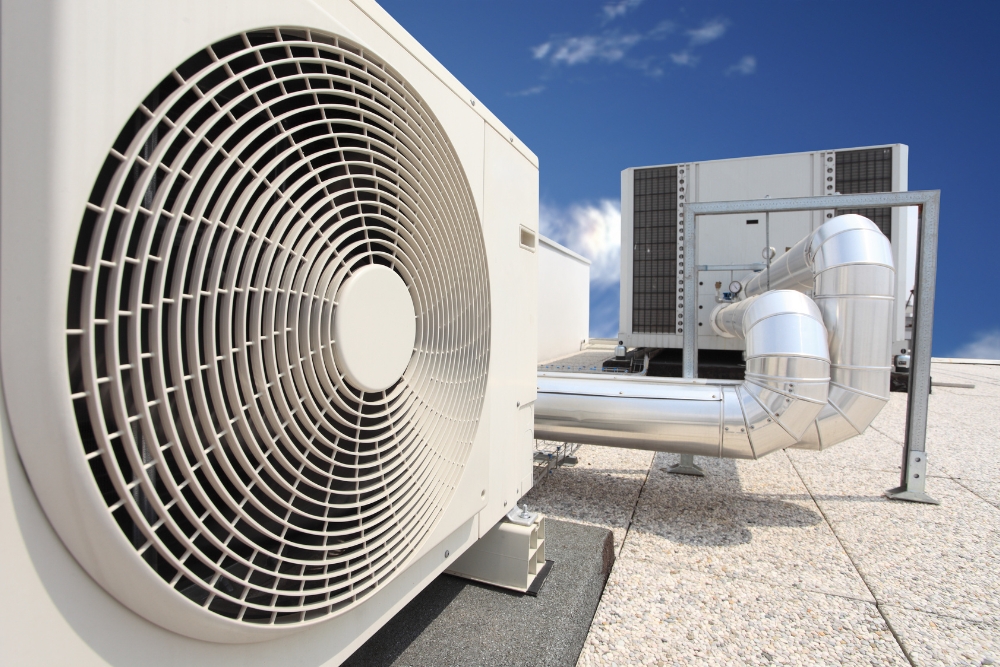
Modern systems use sensors in each zone to tell the dampers when to open and close.
If a sensor is placed in a bad spot, like near a window with direct afternoon sun or right next to the kitchen oven, it’s going to tell the system “I’m hot!” and steal all the airflow from the rest of the house.
Check where your controllers are. If one is constantly reading 28°C when the room feels like 22°C, you’ve found your culprit.
If you’re fighting with your controller or one room is permanently stuck in the wrong season, then it might be time to call our team.
We’ve been balancing systems across Newcastle and the Hunter since 1939. We’ll jump in the roof, check the dampers, measure the airflow, and get the system running efficient again. Call our friendly staff on 4957 0221.
We have all been there. You are sitting at your desk in a jumper while the person three metres away is practically fanning themselves with

You know the scenario. You’ve got the ducted air con set to a comfortable 24°C. The living room feels perfect. But walk down the hallway