Tips
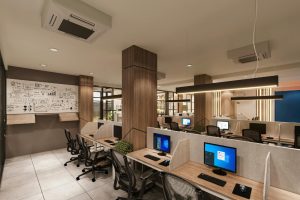
What Causes Uneven Cooling in Open-Plan Offices?
We have all been there. You are sitting at your desk in a jumper while the person three metres away is practically fanning themselves with

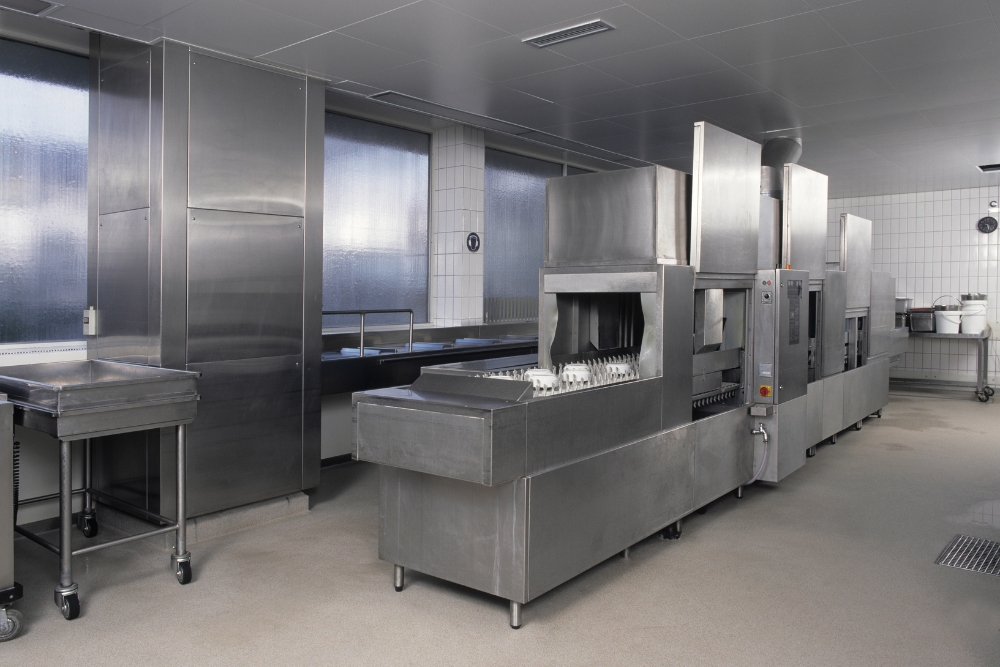
In hospitals, aged care, and foodservice settings, hygiene is critical. Manual washing alone can leave behind bacteria, creating risks for staff and residents. This often raises the question of whether commercial dishwashers can go beyond cleaning and also disinfect equipment.
Not all machines are designed for this purpose. While some models include high-temperature rinse cycles that meet disinfection standards, others only provide cleaning functions. Choosing the wrong machine or relying on incorrect cycles can result in non-compliance with health requirements.
Commercial dishwashers that meet hygiene standards provide a safer and more consistent solution. They can reduce risks, save time, and ensure food-contact items are sanitised correctly. The key is understanding how these machines work, what they can and cannot disinfect, and the standards that apply in professional kitchens.
Cleaning and disinfection are often used interchangeably, but they are not the same. Cleaning removes dirt, food particles, and grease from surfaces or equipment. Disinfection, on the other hand, involves killing bacteria and other microorganisms to a standard that reduces the risk of illness.
Commercial dishwashers are built to clean dishes, utensils, and kitchen gear effectively. Some models go further by including a thermal disinfection cycle. This involves rinsing items at high temperatures, often above 82°C, which is enough to kill most harmful bacteria and viruses. Machines without this feature will only clean but not properly disinfect.
Understanding this difference is important for settings where hygiene is regulated. Food businesses and health care facilities must ensure that the equipment they use can achieve both outcomes. Using a dishwasher with a disinfection cycle makes compliance easier while also protecting the people being served.
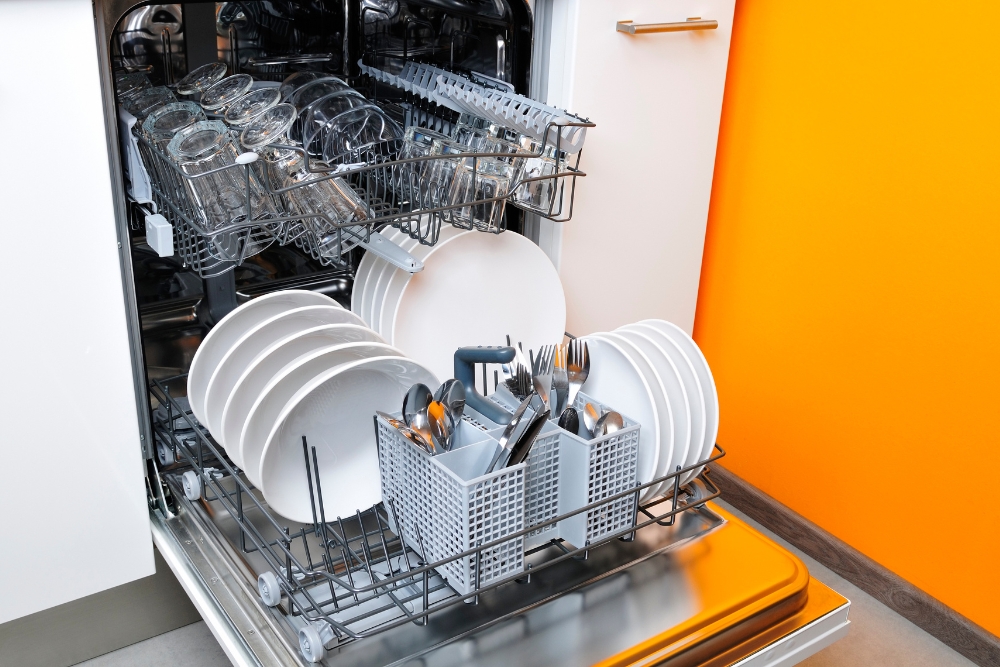
Commercial dishwashers are not suitable for every type of equipment. Their use depends on whether the item is related to food service or requires higher levels of hygiene control.
Medical and surgical instruments cannot be processed in a commercial dishwasher. These items require sterilisation, which is a higher standard than disinfection. Sterilisation ensures that all microorganisms, including spores, are destroyed.
In Australia, this process is carried out using autoclaves or washer-disinfectors that meet AS/NZS 4187 standards for reusable medical devices. Using a standard dishwasher for these items does not meet compliance requirements.
Meal trays, cooking utensils, crockery, and reusable food service items can often be disinfected in a commercial dishwasher that has a thermal cycle. These machines are designed to reach and hold temperatures above 82°C, which is effective for killing bacteria and viruses.
For correct results, items must be loaded properly and the dishwasher maintained in line with the manufacturer’s instructions. When used correctly, these machines support safe food handling in hospitals, aged care, and other catering environments.
Hospitals and aged care facilities require equipment that meets strict hygiene standards. In these environments, commercial dishwashers are selected not only for cleaning efficiency but also for their ability to perform thermal disinfection. Machines used in health care kitchens are often designed to reach rinse temperatures above 82°C and maintain them long enough to reduce harmful microorganisms on food-contact items.
To meet compliance, hospitals look for dishwashers that carry certifications such as AS/NZS 4187 or equivalent. These models usually include programmable wash and rinse cycles, documentation features that verify performance, and temperature monitoring to confirm disinfection is achieved.
Correct operation is also essential. Dishes and trays must be loaded to allow full water coverage, and machines require routine servicing to ensure cycles are reaching the necessary standards. By using dishwashers that meet these requirements, hospitals reduce the risk of foodborne illness and maintain consistent hygiene across meal services.
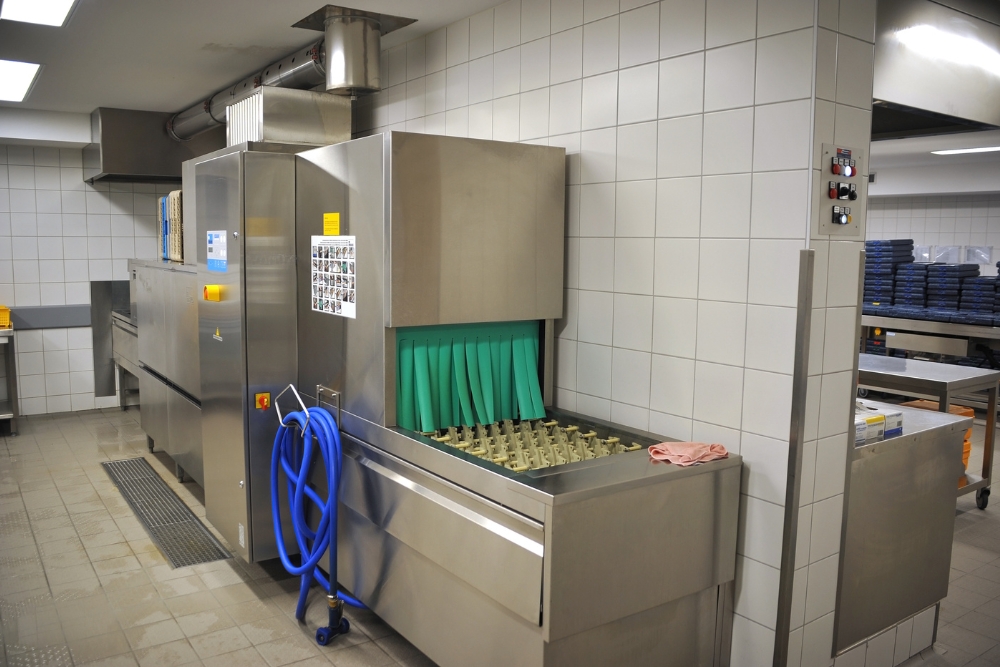
Even advanced commercial dishwashers will not disinfect effectively unless they are used correctly. Several factors determine performance, and overlooking them can compromise hygiene.
The final rinse cycle must reach at least 82°C and maintain that temperature long enough to destroy bacteria. If the cycle does not hold the required level, items may appear clean but will not be disinfected. Routine servicing and maintenance ensure the dishwasher continues to operate to standard.
Loading practices are also important. Overcrowding stops water and heat from reaching all surfaces, reducing the effectiveness of the cycle. Items should be spaced with larger utensils and trays positioned to allow full contact with hot water.
Staff training plays a central role in maintaining hygiene. Operators need to know which cycles are suitable for disinfection, which detergents to use, and how to identify when the machine is underperforming. Correct use combined with regular servicing keeps commercial dishwashers performing reliably.
Food businesses are required to follow both cleaning and sanitising processes to maintain safe conditions. Cleaning removes visible food particles and grease using detergent and water. Sanitising goes further, reducing bacteria to safe levels through heat or approved chemicals.
The NSW food authority cleaning and sanitising guidelines outline how this two-step process should be carried out. For dishwashers, compliance depends on whether the machine can reach and sustain the minimum sanitising temperature of 82°C or apply a food-safe chemical sanitiser at the correct concentration.
When used correctly, commercial dishwashers support food businesses in meeting hygiene standards. They also simplify compliance by providing consistent wash cycles that combine cleaning and sanitising in one process. Regular servicing and staff training ensure machines continue to operate in line with these requirements.
Selecting the correct dishwasher requires looking at service demand, the type of items being cleaned, and compliance with hygiene standards. Facilities such as hospitals, aged care centres, and commercial kitchens need machines that can consistently reach disinfection temperatures and operate reliably across daily meal services.
We supply a full range of commercial dishwashers, including compact under-bench models, pass-through units, and conveyor systems designed for high-volume operations. Key features include programmable cycles, temperature monitoring, and energy-efficient operation to support both compliance and performance.
At Coles Refrigeration & Air Conditioning, we help businesses choose equipment that meets Australian standards, fits their available space, and handles required workloads. Our service extends beyond installation, with ongoing maintenance and support to keep machines running to standard.
We have all been there. You are sitting at your desk in a jumper while the person three metres away is practically fanning themselves with
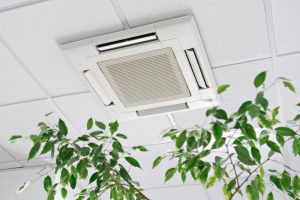
You know the scenario. You’ve got the ducted air con set to a comfortable 24°C. The living room feels perfect. But walk down the hallway