
Tips
What Causes Uneven Cooling in Open-Plan Offices?
We have all been there. You are sitting at your desk in a jumper while the person three metres away is practically fanning themselves with


Yes — most commercial air-conditioning systems in Australia do require fire dampers when their ductwork passes through fire-resisting walls, floors, or ceilings. Fire dampers prevent flames and smoke from spreading through ventilation ducts during a fire, helping to protect building occupants and structure.
Fire safety is not just a design detail; it’s a compliance requirement under the National Construction Code (NCC) and Australian Standards such as AS 1682.1, AS 1682.2, and AS 1851. Understanding when and where these components are needed helps businesses stay safe and meet inspection standards.
This article outlines what fire dampers do, when they must be installed, and how Coles Refrigeration & Air Conditioning designs and maintains compliant HVAC systems for commercial buildings.
Fire dampers are mechanical safety devices fitted inside the ductwork of commercial heating, ventilation and air-conditioning (HVAC) systems. They automatically close when a fire is detected, preventing flames, smoke and hot gases from moving through ducts into other parts of a building.
By sealing the duct during a fire, these dampers help maintain the integrity of fire-resisting walls, floors and ceilings. This containment slows the spread of fire, giving occupants more time to evacuate and helping to limit structural damage.
In Australia, fire dampers must comply with several key standards:
These standards are referenced within the National Construction Code (NCC) and form part of essential building safety requirements. Fire dampers are not optional components; they are critical to meeting fire safety regulations and protecting property and lives.
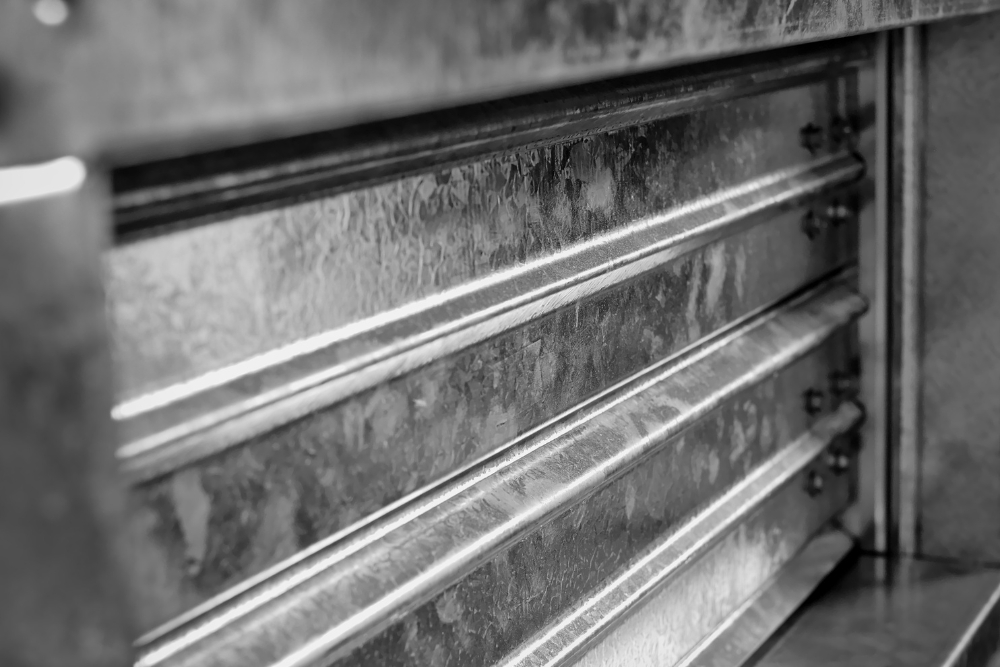
Not every air-conditioning system needs fire dampers, but many commercial buildings do. Their installation depends on the layout of the ductwork, the structure’s fire compartments, and the type of HVAC system in place.
Here are the most common situations where fire dampers are required:
If the ductwork in your building crosses fire-separated zones or forms part of a smoke control system, fire dampers are usually mandatory. Installing them ensures your system meets Australian Standards and remains compliant with building and insurance requirements.
Before installing or upgrading a commercial air-conditioning system, it’s important to confirm that your design meets all fire safety and compliance standards. Fire dampers must be selected, installed, and maintained according to Australian regulations to function effectively during an emergency.
Here are the main factors to consider:
At Coles Refrigeration & Air Conditioning, our team ensures every project meets these standards from design to completion. We handle certification, installation, and maintenance so your HVAC system remains efficient, safe, and fully compliant.

Our team provides end-to-end commercial air-conditioning services that meet all Australian fire safety and compliance requirements. From initial design to long-term maintenance, each system is planned and installed to meet the standards set by the National Construction Code (NCC) and relevant Australian Standards.
During the design phase, we assess building layout, duct routing, and fire compartmentation to determine where fire dampers are required. Our qualified technicians install dampers and related components exactly as specified by manufacturers and standards such as AS 1682.1 and AS 1682.2.
Ongoing maintenance is equally important. Routine inspections and testing under AS 1851 ensure that fire and smoke dampers continue to perform as intended. Regular servicing helps maintain compliance and can reduce the risk of system faults.
We also provide documentation and certification support for audits and building approvals, giving property owners and managers peace of mind that their HVAC systems are operating safely and legally.
Yes, in most cases. If the ductwork passes through fire-rated walls, ceilings, or compartments, fire dampers must be installed under the National Construction Code (NCC) and AS 1682 standards.
When heat reaches a certain temperature, the damper’s fusible link or sensor triggers it to close automatically. This action stops fire and smoke from moving through air ducts to other areas of the building.
Key standards include AS 1682.1:2015 for specifications, AS 1682.2 for installation, and AS 1851 for routine inspection and testing. These are referenced under the NCC for building compliance.
Only qualified HVAC professionals trained in fire safety systems should install or service fire dampers. This ensures correct operation and compliance with Australian building codes.
Yes. Retrofitting is possible when modifying or upgrading ductwork. Technicians assess the layout, install dampers in required locations, and ensure the system meets current compliance standards.
Fire dampers are a critical part of commercial HVAC design, ensuring air-conditioning systems meet safety and compliance requirements under Australian standards. Correct installation and maintenance protect both people and property, reducing the risk of fire spread through ductwork.
Contact us for assistance with fire damper installation, compliance assessments, and maintenance programs for commercial air-conditioning systems across Newcastle, Lake Macquarie, Maitland, and the Central Coast.
We have all been there. You are sitting at your desk in a jumper while the person three metres away is practically fanning themselves with
You know the scenario. You’ve got the ducted air con set to a comfortable 24°C. The living room feels perfect. But walk down the hallway