Tips
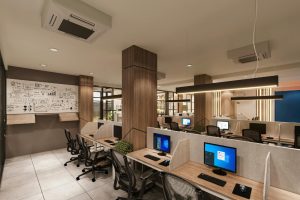
What Causes Uneven Cooling in Open-Plan Offices?
We have all been there. You are sitting at your desk in a jumper while the person three metres away is practically fanning themselves with
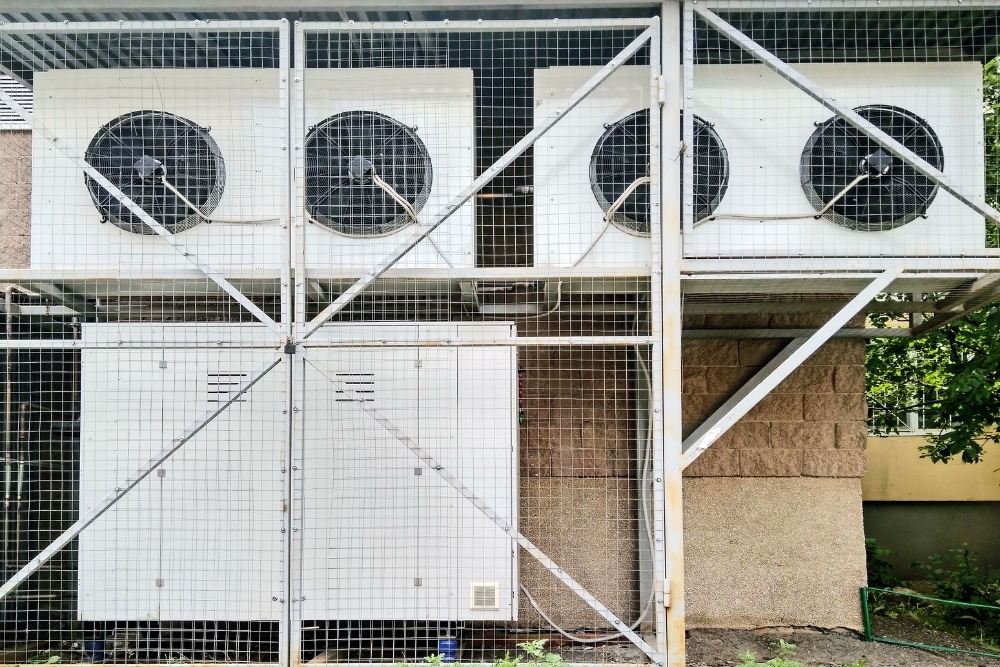
Evaporative coolers are less effective in coastal commercial areas due to higher humidity levels, which reduce the air’s ability to absorb moisture and cool effectively. However, these systems can still perform well in certain environments when correctly designed, maintained, and matched to the right type of building.
Coastal regions such as Newcastle, the Central Coast, and Lake Macquarie often experience humid air and salt exposure that affect system performance and durability. These factors can limit the cooling efficiency of evaporative systems and increase maintenance needs over time.
Understanding how evaporative cooling works and how humidity impacts its performance helps businesses select the most suitable cooling solution for their conditions. This article explains how these systems operate, why coastal environments pose challenges, and which alternatives provide better results for commercial spaces near the ocean.
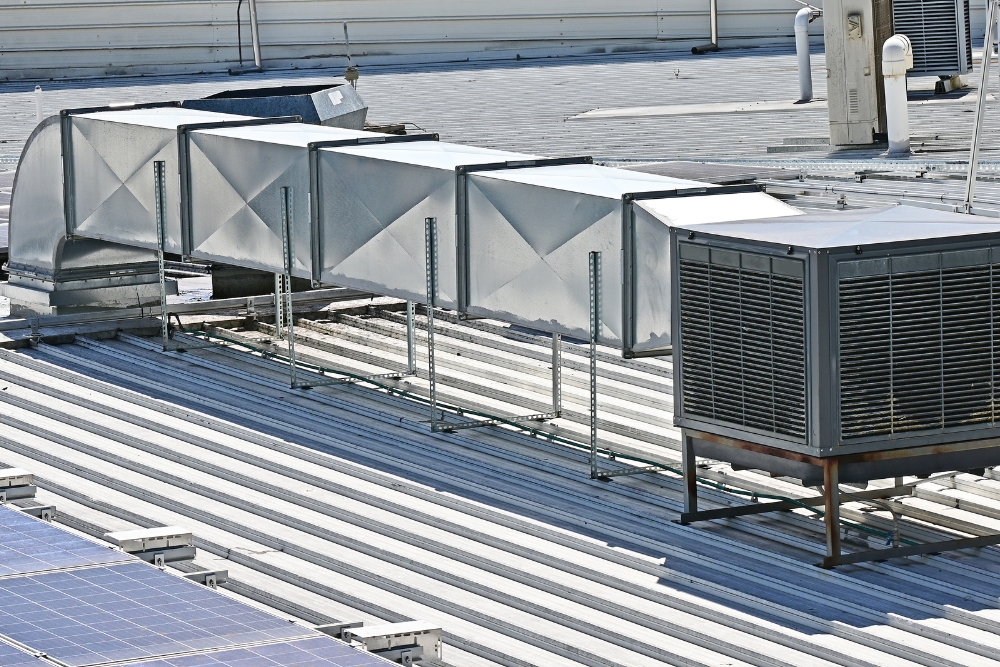
Evaporative cooling uses a natural process that lowers air temperature through water evaporation. Warm outdoor air passes through pads soaked with water. As the air moves through, some of the water evaporates, absorbing heat and producing cooler air that is then circulated inside the building.
Unlike refrigerated air conditioning systems that rely on refrigerant gases and compressors, evaporative coolers depend on airflow and water to create cooling. This process makes them energy-efficient and environmentally friendly, using less electricity than traditional systems.
However, the effectiveness of this cooling method depends on the surrounding climate. In dry inland regions, evaporation occurs quickly, allowing the system to cool air effectively. In humid coastal areas, where the air already contains moisture, the evaporation rate slows, reducing how much the system can lower indoor temperatures.
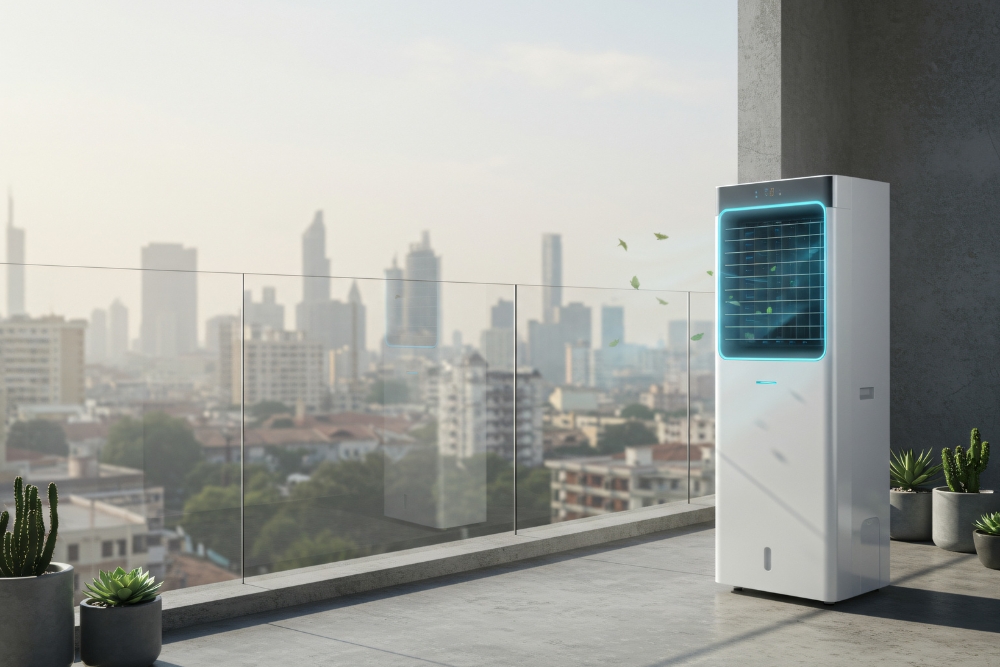
Evaporative coolers perform best in dry climates, but their efficiency drops in coastal regions where humidity is high. Areas such as Newcastle, Port Stephens, and the Central Coast experience conditions that limit how well these systems can cool indoor spaces. Several environmental factors affect performance and long-term durability.
High humidity means the air already holds more moisture, leaving less capacity for additional evaporation. When the air cannot absorb much more water, the cooling effect weakens. On humid days, evaporative coolers may only lower indoor temperatures slightly, which can be noticeable in enclosed or busy commercial spaces.
Coastal air contains salt that speeds up corrosion in metal components such as cooling pads, fans, and ductwork. Without corrosion-resistant materials and ongoing maintenance, system parts can deteriorate faster, leading to reduced efficiency and higher service costs.
Because evaporative coolers draw in outdoor air continuously, they can also bring in salt particles, dust, and other airborne contaminants. This makes filter and pad maintenance important to prevent blockages and maintain good indoor air quality.
Open-plan buildings with strong airflow are more suitable for evaporative cooling than sealed or multi-level commercial structures. Poor ventilation can trap humid air indoors, further reducing the cooling effect and overall comfort.
Evaporative cooling can still perform effectively in coastal areas when the system is suited to the environment and maintained correctly. Performance depends on airflow, building design, and local humidity.
Evaporative coolers may work well in these situations
With the right setup and servicing, evaporative cooling can remain a cost-effective and sustainable option for coastal commercial spaces.
Coastal conditions can make evaporative cooling less effective, so other systems may provide more reliable performance. Cooling options that manage humidity and salt exposure are often better suited for these environments.
| System Type | Description | Best For |
| Ducted reverse cycle air conditioning | Provides both heating and cooling through one system. Maintains steady temperatures regardless of humidity. | Offices, retail stores, hospitality venues |
| Split or multi-split systems | Offers temperature control for individual zones. Simple to maintain and efficient in humid areas. | Small commercial spaces or zoned layouts |
| VRF and VRV systems | Allows independent control of different areas while optimising energy use. Scalable for larger buildings. | Multi-level or large commercial buildings |
| Hybrid systems | Combines evaporative and refrigerated cooling to balance energy use and manage humidity. | Mixed-use or energy-focused commercial sites |
Selecting a system suited to the building layout, humidity level, and airflow ensures efficient operation and long-term performance in coastal conditions.
Coastal environments expose cooling systems to salt, humidity, and airborne debris that can cause corrosion and reduce efficiency. Without consistent care, these factors may shorten equipment life and increase operating costs.
Essential maintenance tasks include
Scheduled maintenance helps preserve efficiency, safety, and compliance with manufacturer standards. By managing corrosion and moisture, cooling systems can continue to perform effectively in coastal environments.
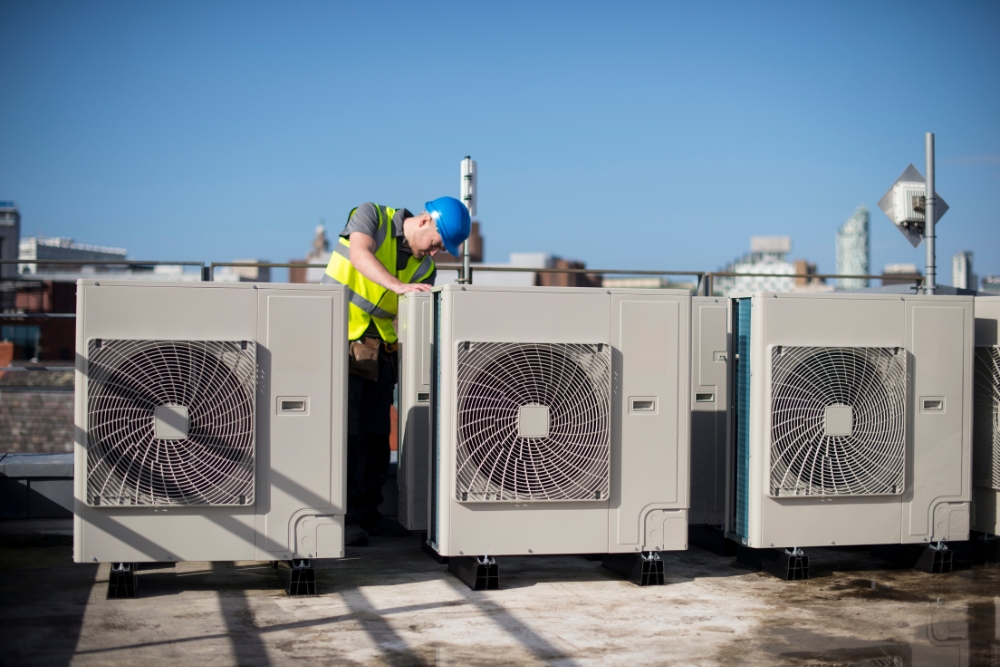
Coles Refrigeration & Air Conditioning designs and maintains commercial cooling systems suited to coastal Australian conditions. Its focus is on efficiency, durability, and long-term performance in environments affected by humidity and salt exposure.
Each project is assessed individually to identify the most effective cooling method based on building layout, airflow, and location. Systems may include evaporative, hybrid, or refrigerated designs to achieve reliable comfort and energy efficiency.
Scheduled servicing is also provided to help prevent corrosion and maintain safe, consistent operation throughout the year.
Cooling coastal buildings requires systems designed to handle humidity, salt exposure, and airflow challenges. While evaporative coolers are efficient in dry climates, coastal conditions often demand more controlled solutions such as refrigerated or hybrid systems.
Selecting the right cooling method depends on factors like building design, air circulation, and local weather patterns. With the right system and scheduled maintenance, coastal businesses can maintain safe and efficient indoor environments year-round.
Contact us for advice or assistance in finding the most suitable cooling system for your commercial property.
Yes. They increase humidity slightly, which can make enclosed coastal spaces feel warmer if ventilation is poor.
Protective coatings, stainless steel components, and scheduled servicing help reduce corrosion caused by salt exposure.
These systems use water continuously, but consumption remains lower than the energy demand of most refrigerated systems.
They include pads that trap some particles, though additional air filtration may be needed in dusty or high-traffic areas.
Reduced airflow, unusual odours, or uneven temperatures suggest cleaning or part replacement is required.
We have all been there. You are sitting at your desk in a jumper while the person three metres away is practically fanning themselves with
You know the scenario. You’ve got the ducted air con set to a comfortable 24°C. The living room feels perfect. But walk down the hallway