Tips
What Causes Uneven Cooling in Open-Plan Offices?
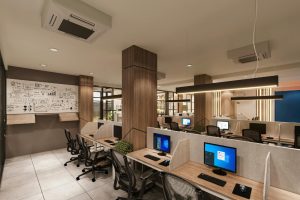
We have all been there. You are sitting at your desk in a jumper while the person three metres away is practically fanning themselves with
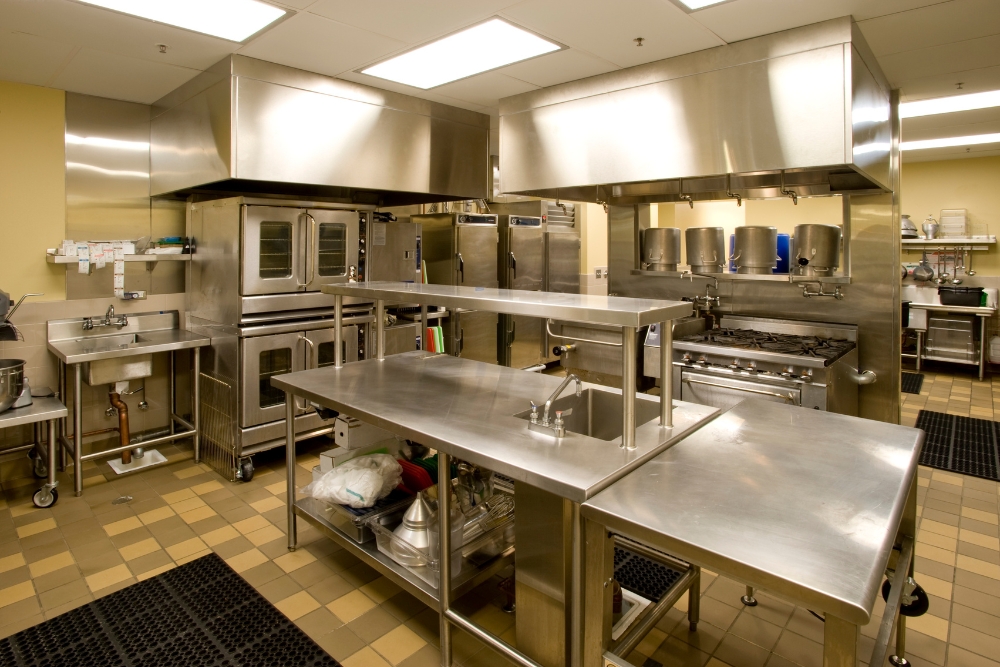
Catering equipment maintenance is essential in hospitals, aged care facilities and schools where hygiene, safety and reliability are critical. These kitchens serve large numbers of people daily, and any equipment failure can interrupt meal service, affect safety and breach compliance requirements.
Neglected maintenance can lead to food contamination, breakdowns and high repair costs. Scheduled servicing, cleaning and inspections keep systems operating safely and help facilities meet NSW Health and SafeWork NSW standards.
This checklist outlines a structured plan for maintaining key kitchen systems at set intervals — daily, weekly, monthly, quarterly and annually. It covers ovens, fryers, refrigerators, dishwashers and ventilation systems, along with technician servicing and record-keeping steps that support consistent compliance and operational efficiency.
Daily maintenance prevents grime build-up and keeps equipment operating safely and hygienically. The table below lists the key tasks for each appliance group.
| Equipment | Tasks to Complete Each Day |
| Ovens and stoves | Wipe all surfaces and trays, remove spills, and check that door seals and burners work correctly |
| Grills and hotplates | Scrape plates after use, empty grease trays, and clean nearby benches to lower fire risk |
| Deep fryers | Skim oil, remove debris, wipe the unit, and cover cooled oil to keep it clean |
| Dishwashers | Clean filters, check door seals, refill detergent and rinse aid, and leave doors open overnight |
| Fridges and freezers | Record temperatures, clean gaskets, remove spills, and confirm doors close fully |
| Ventilation systems | Operate exhaust fans during cooking, wipe canopies, and confirm grease filters are fitted and clean |
Weekly maintenance focuses on deeper cleaning and safety checks that daily routines may miss. These tasks keep equipment efficient, hygienic and within NSW compliance standards.
Ovens need racks removed and interiors cleaned to stop residue build-up. Hinges and door seals should be checked to confirm they close properly. Cooktops and burners must be disassembled, scrubbed and inspected for damage. Grills and griddles require soaking of plates and drip trays and an inspection of heating elements.
Fryers benefit from a boil-out to clean the vat and improve oil life. Dishwashers should be descaled, and spray jets cleared of residue. Fridges require sanitising of shelves and gaskets, and exhaust hoods need filters cleaned and fans wiped to maintain airflow.
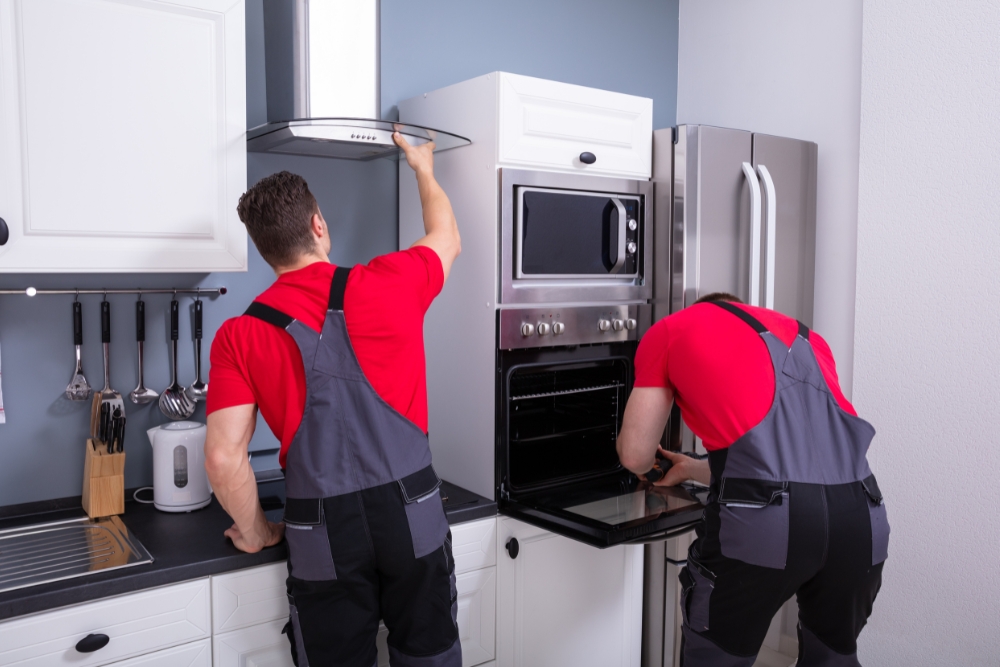
Monthly maintenance checks focus on performance, accuracy and energy use. These tasks confirm that appliances operate safely and within correct temperature or pressure levels.
Ovens should be tested with a thermometer to confirm temperature accuracy. Cooktops need ignition systems checked and gas or electrical connections examined for wear. Grills must be inspected for surface damage and uneven heating. Fryers require a safety cut-out test to prevent overheating.
Dishwashers should be assessed to ensure sanitising cycles reach required temperatures. Refrigeration units need condenser coils cleaned and fan operation checked to maintain airflow and reduce energy load. Exhaust systems should be inspected for belt wear and dust build-up.
Quarterly servicing involves detailed inspections by licensed technicians to ensure compliance, performance and safety. These checks reduce the chance of equipment breakdowns and help facilities meet NSW standards for food preparation areas.
Gas ovens and cooktops should be inspected by licensed gas fitters who test burners, regulators and valves. Electrical appliances need testing and tagging according to SafeWork NSW requirements. Grills, fryers and dishwashers require deep cleaning and mechanical inspections to detect wear or blockages.
Refrigeration units should be serviced by qualified mechanics who check for leaks and recalibrate temperature settings. Exhaust systems must be professionally cleaned to remove grease and maintain airflow. For expert electrical and appliance servicing, contact HCM Electrical for licensed maintenance support.
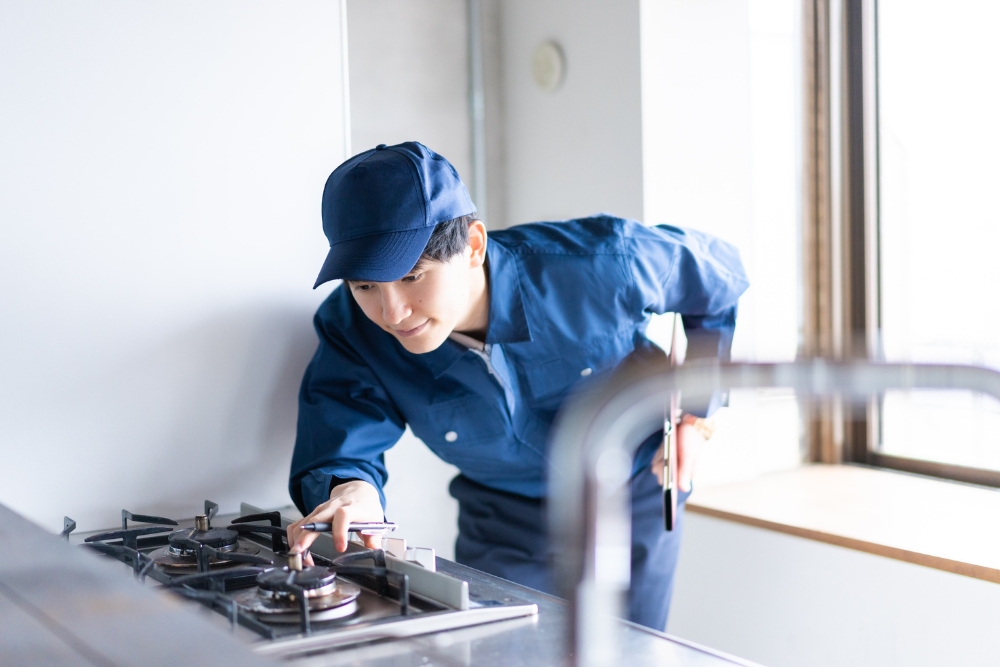
Annual maintenance provides a full assessment of catering equipment and confirms appliances meet NSW safety and hygiene standards. These reviews support budget planning, compliance and long-term cost control.
Ovens, stoves and grills should be fully serviced to test safety controls, seals and gas systems. Fryers require filter replacement and inspection of internal components. Dishwashers need thermostat calibration and checks of water and electrical systems. Refrigeration units must be tested for temperature accuracy, seal integrity and alarm operation.
Exhaust and fire suppression systems must be cleaned and tested by certified technicians to verify airflow and emergency response function. Coles Refrigeration & Air Conditioning offers handlers and maintainers of commercial catering equipment across NSW, delivering supply, installation and ongoing maintenance to support safe, compliant kitchen operations.
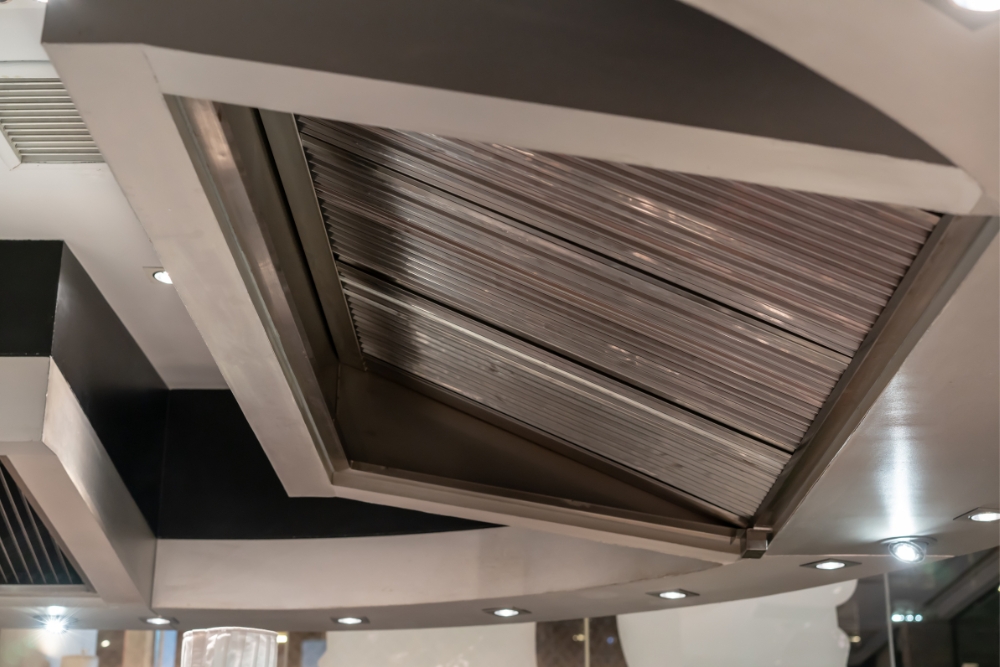
Fire safety and ventilation systems protect kitchens from smoke and grease build-up that can cause fires or air quality issues. Servicing these systems keeps airflow stable and supports compliance with NSW fire safety standards.
Exhaust hoods, ducts and filters should be cleaned frequently to remove grease that can ignite during cooking. Fans and motors need inspection to confirm they run smoothly and maintain proper airflow. Fire suppression systems must be tested by certified technicians to verify pressure and response times.
Facilities should also check that fire extinguishers and emergency shut-off switches are within reach and correctly labelled. Keeping these systems in good condition reduces fire risk and improves ventilation efficiency in busy hospital and school kitchens.
Digital scheduling systems and logbooks help track catering equipment servicing and compliance in busy facilities. They provide a clear record of inspections, faults and completed tasks. For hospitals, aged care and school kitchens, this supports transparency and readiness during audits.
Maintenance software can assign tasks, send reminders and log technician reports. This reduces missed inspections and helps staff follow maintenance cycles accurately. It also centralises records so managers can view upcoming servicing dates, equipment history and energy use.
Storing records digitally also removes paperwork and simplifies compliance checks under NSW Health and SafeWork NSW standards. For assistance with maintenance planning or digital tracking, reach out to Coles Refrigeration and Air Conditioning.
Compliance with NSW Health and SafeWork NSW standards ensures catering equipment operates safely in hospitals, aged care and schools. Maintenance schedules, cleaning logs and technician reports form the foundation of a compliant kitchen.
Facilities should maintain accurate records of inspections, repairs and safety checks for all gas, electrical and refrigeration systems. Each record demonstrates due diligence and supports audit readiness. Licensed technicians must complete services on time and report any issues that affect food safety or equipment reliability.
Training kitchen staff to follow checklists and record outcomes promotes accountability. This approach helps facilities meet legal obligations while improving safety and efficiency in food service operations.

Professional servicing helps hospitals, aged care facilities and schools keep catering equipment in safe working condition. Local technicians understand NSW standards and provide the inspections needed to maintain compliance and kitchen reliability.
Scheduled servicing limits downtime, reduces faults and supports hygiene across all cooking, cooling and cleaning systems. Qualified technicians ensure that gas, electrical and ventilation equipment continues to meet current safety and performance standards.
Facilities across Newcastle and the Hunter region can access tailored maintenance and installation support for their kitchens. For bookings or service enquiries, contact us to arrange catering equipment inspections or maintenance with a licensed technician.
Technicians should inspect all commercial kitchen appliances at least every three months. High-use equipment such as ovens and fryers may require more frequent servicing depending on usage and condition.
Facilities should keep dated service reports, temperature logs and safety inspection records. These documents provide evidence of compliance during NSW Health and SafeWork NSW audits.
Clean components, correct calibration and proper ventilation reduce power demand and heat load. Efficient operation also extends appliance lifespan and lowers energy costs.
Delays can lead to food contamination, fire hazards or sudden equipment failure, which disrupts meal service and increases repair costs.
Yes. Digital systems store inspection data, generate reminders and support compliance by providing accurate, time-stamped records accessible to managers and auditors.
We have all been there. You are sitting at your desk in a jumper while the person three metres away is practically fanning themselves with
You know the scenario. You’ve got the ducted air con set to a comfortable 24°C. The living room feels perfect. But walk down the hallway