
Tips
What Causes Uneven Cooling in Open-Plan Offices?
We have all been there. You are sitting at your desk in a jumper while the person three metres away is practically fanning themselves with

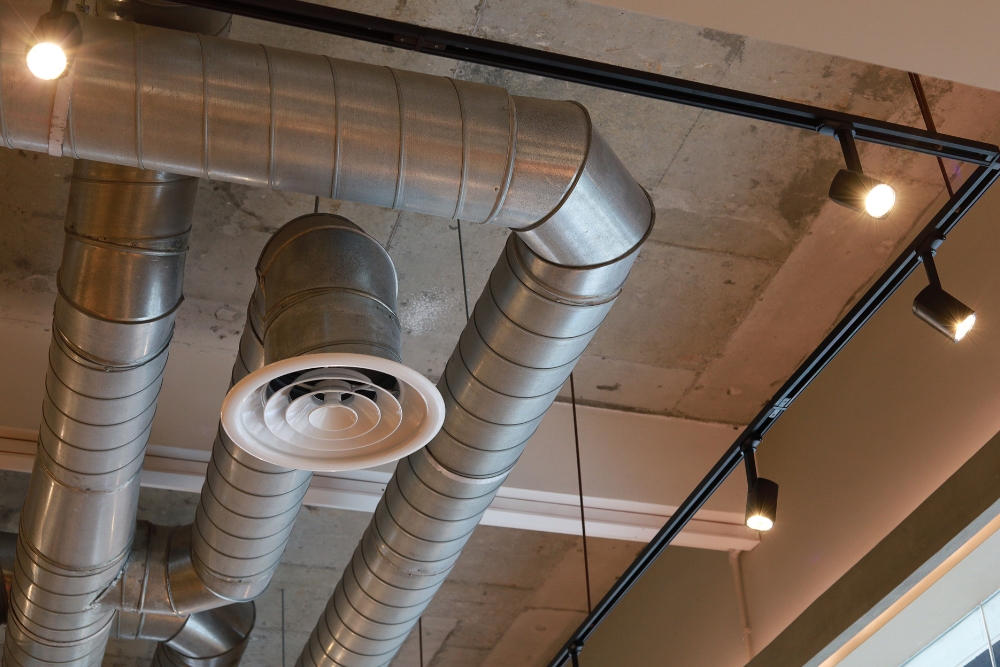
If your office feels cool in one room but warm in another, or your energy bills keep climbing even when the weather hasn’t changed, your AC ducts could be leaking. Small gaps or cracks in the ductwork let conditioned air escape before it reaches the vents. This forces the system to work harder, using more energy while delivering less comfort.
Duct leaks can happen anywhere in a building. Over time, joints loosen, seals wear out, or damage occurs during maintenance or construction. Even small leaks add up, wasting air and reducing efficiency across the system.
The good thing is that leaking ducts aren’t hard to spot once you know what to look for. This article explains what causes them, how to identify the warning signs, and what steps can help restore your system’s performance.
Duct leaks can start small and often go unnoticed until they begin to affect comfort or energy use. In most offices, ducts run through ceilings and walls, which means any gaps or cracks are usually out of sight. Still, a few common issues are often behind the problem.
Age and wear gradually weaken duct materials, especially at the joints and seams. Over the years, constant air pressure and vibration can loosen fittings or break down sealant. Poor installation is another cause — ducts that weren’t sealed properly in the first place are more likely to leak sooner.
Physical damage also plays a role. Construction work, rodents, or accidental knocks can puncture duct sections or pull joints apart. In coastal or humid environments, moisture and corrosion can eat away at metal ducts, creating holes or weak spots.
Even a small leak can waste a surprising amount of air. In some cases, up to 30 per cent of conditioned air escapes before it ever reaches the vents.
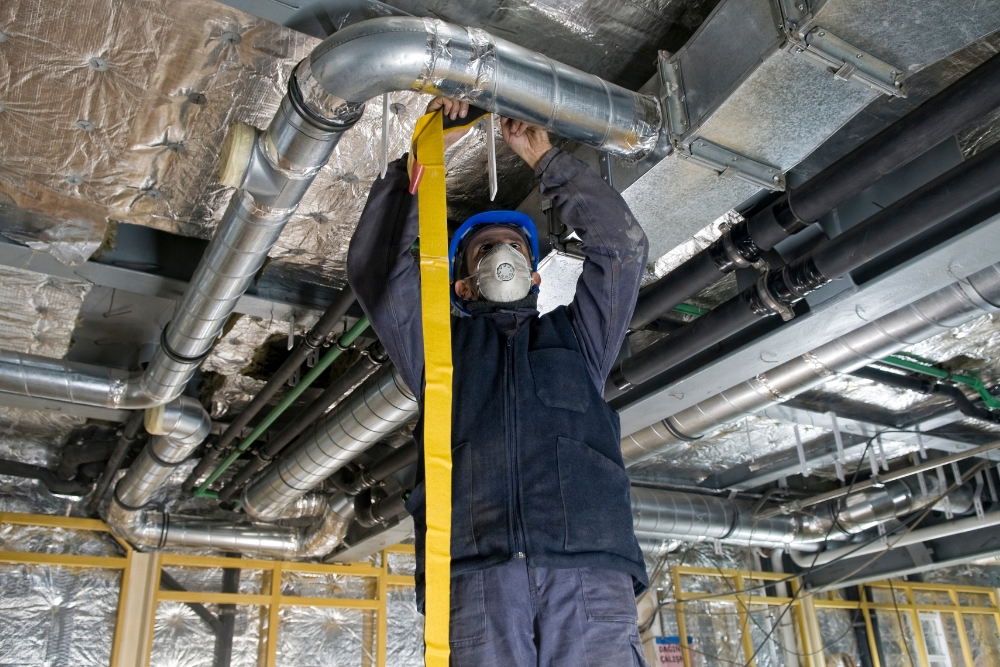
Most ductwork sits out of sight above ceilings or behind walls, which makes leaks easy to miss. Still, your system often shows clear signs when air is escaping. Noticing these early can save energy and prevent bigger repairs later on.
Common signs of leaking ducts include
When you spot one or more of these signs, it’s a good idea to have your system checked. Finding and sealing leaks early can help restore comfort, reduce energy waste, and protect the ductwork from further damage.
Finding leaks in an office duct system isn’t always simple, but technicians have reliable ways to track them down. Because most ducts are hidden, a proper inspection often involves both testing and specialised tools to locate air loss accurately.
One of the first steps is airflow testing. This checks how air moves through the system and identifies pressure drops that may indicate a leak. If pressure levels vary between sections, it usually means air is escaping somewhere along the duct line.
Another common method is smoke testing. A safe, visible smoke is released into the ducts to show where air is leaking out. The escaping smoke makes it easier to see cracks or gaps that would otherwise go unnoticed.
For larger or more complex systems, technicians might use thermal imaging or pressure testing. Thermal cameras detect temperature differences along the ducts, showing where cool or warm air is escaping. Pressure testing involves sealing the ducts and measuring how much air is lost under controlled pressure.
Each test helps create a clear picture of the system’s condition and where repairs are needed to restore proper airflow and efficiency.
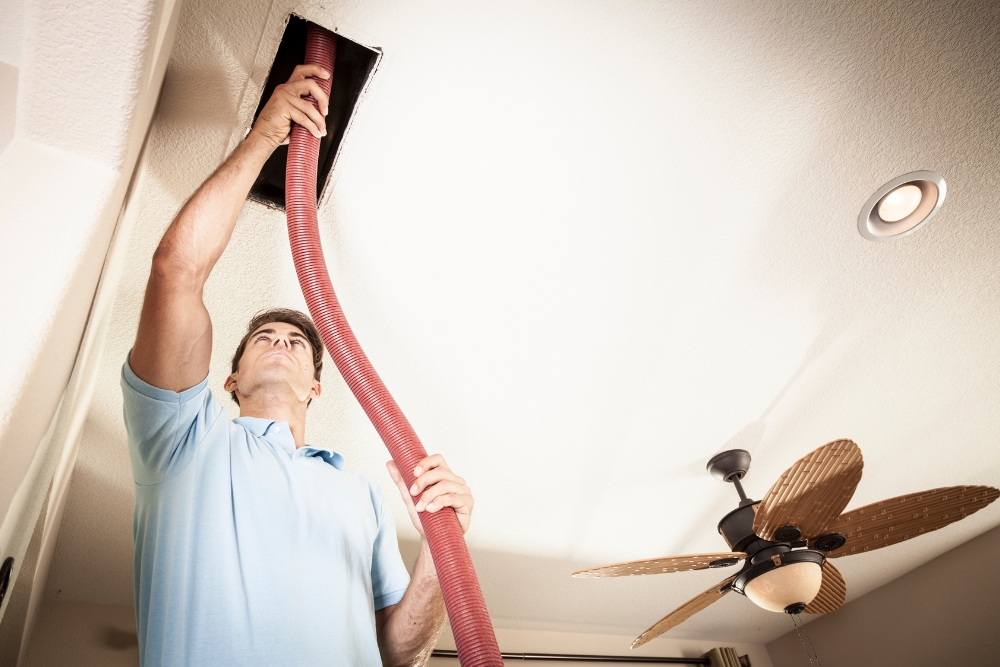
Leaking ducts might seem like a small issue, but they can have a big impact on comfort, energy use, and air quality in the office. When conditioned air escapes before reaching the vents, the system needs to run longer to maintain the set temperature. This extra workload increases electricity costs and puts more strain on the equipment.
Fixing duct leaks helps the system distribute air evenly, keeping every area of the office at a consistent temperature. It also prevents dust, insulation fibres, and other particles from being drawn into the ducts, which improves indoor air quality and reduces allergy risks.
Sealing leaks can extend the life of your air conditioning system as well. With less pressure on the fans and compressor, parts wear out more slowly and require fewer repairs over time. The result is lower operating costs, better comfort, and cleaner air throughout the building.
Stopping duct leaks before they start is the best way to keep your office air conditioning system efficient. Ducts naturally expand, contract, and vibrate over time, so small leaks can form if the system isn’t checked or maintained properly. A few simple steps can help prevent the problem from coming back.
Practical ways to prevent duct leaks include
These small measures help protect the duct system, improve efficiency, and keep air moving evenly throughout the building. With scheduled servicing, the system stays in good condition for longer and runs more efficiently all year round.
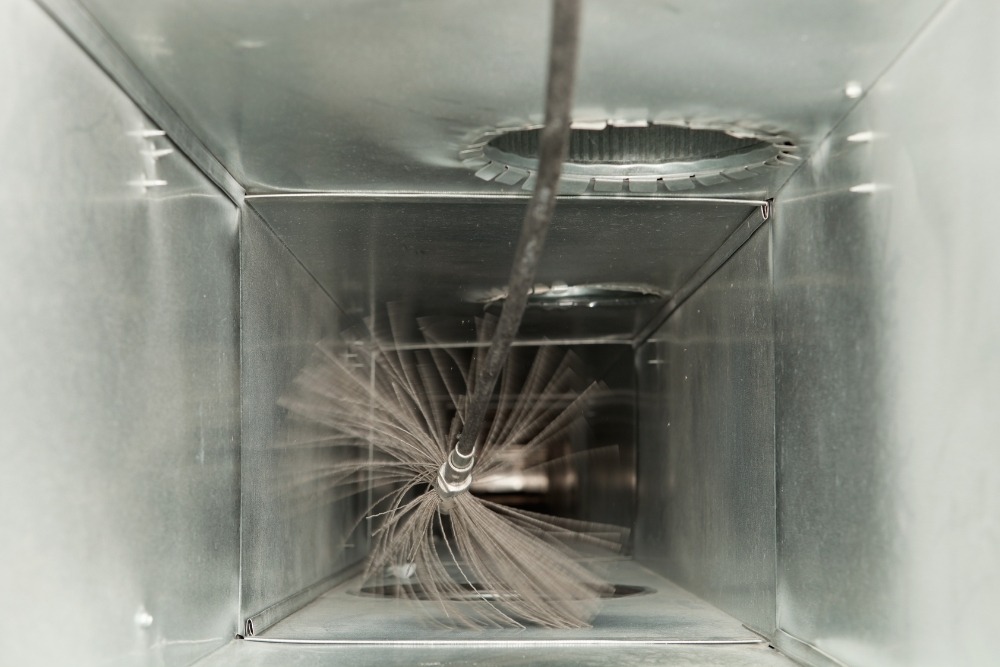
Coles Refrigeration & Air Conditioning provides air conditioning design, installation, and maintenance services for offices and commercial buildings across Newcastle, Lake Macquarie, and the Central Coast. The team focuses on system efficiency, long-term reliability, and solutions suited to Australian conditions.
Each project is assessed to identify the most effective way to maintain consistent airflow and energy performance. Whether your system needs duct testing, sealing, or a full inspection, the goal is to keep your workplace comfortable and your air conditioning running efficiently.
Contact us today to schedule a duct inspection or servicing appointment. Professional support helps prevent leaks, lower energy costs, and keep your system performing at its best.
Depending on the size and number of leaks, up to 30 per cent of cooled or heated air can escape before it reaches the vents.
Yes. Leaks can draw in dust, insulation fibres, and other contaminants from roof or ceiling spaces, which then circulate through the office.
Not always. Most ducts are hidden, so leaks often need to be found using airflow testing, smoke, or thermal imaging equipment.
Minor gaps can sometimes be sealed with suitable tape or mastic, but a professional inspection ensures all leaks are identified and repaired safely.
It’s best to schedule inspections once a year or whenever you notice airflow changes, higher energy bills, or uneven temperatures.
We have all been there. You are sitting at your desk in a jumper while the person three metres away is practically fanning themselves with
You know the scenario. You’ve got the ducted air con set to a comfortable 24°C. The living room feels perfect. But walk down the hallway