
Tips
What Causes Uneven Cooling in Open-Plan Offices?
We have all been there. You are sitting at your desk in a jumper while the person three metres away is practically fanning themselves with

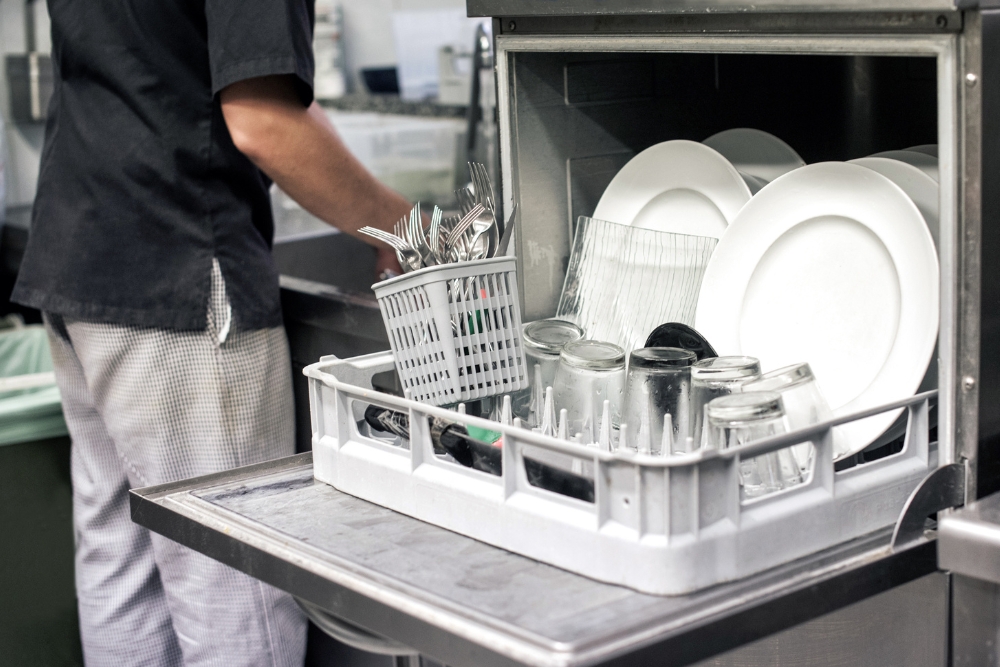
Hospitals need a commercial dishwasher that meets strict hygiene, safety and compliance standards while handling heavy daily use. These machines must reach high rinse temperatures, disinfect effectively and record data for hygiene audits — all essential for preventing contamination and maintaining food safety.
A commercial dishwasher for hospitals should deliver thermal disinfection at temperatures above 82°C to meet Australian health requirements. It must also support smooth workflow, reliable performance and easy maintenance for staff who manage continuous meal service.
Choosing a system that balances hygiene, efficiency and compliance keeps kitchen operations safe and consistent. This guide outlines the essential features hospitals should consider — from sanitisation control and performance reliability to installation, monitoring and energy use.
Hygiene is the top priority in any hospital kitchen. Every dishwasher must meet hospital dishwasher hygiene standards to stop bacteria and viruses from spreading through utensils, trays and cookware. This means reaching disinfection temperatures high enough to kill microorganisms and ensure safe reuse of kitchen items.
A final rinse temperature above 82°C is essential for sanitisation and compliance. Systems designed for hospitals often include built-in temperature gauges and digital records to prove every wash cycle meets the required settings. These features help facilities stay audit-ready and compliant with NSW Health and Australian Food Standards.
Regular calibration and maintenance checks also matter. If temperatures drop below the required range, it can compromise both hygiene and compliance reports. Investing in a dishwasher with verified thermal disinfection and automatic monitoring keeps hospitals safe and inspection-ready every day.
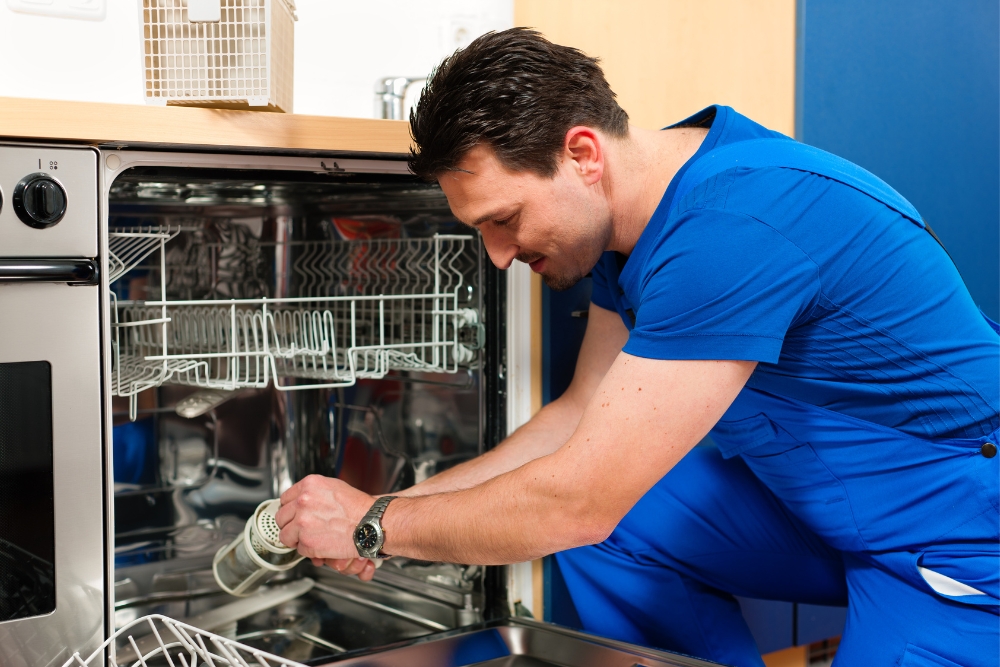
Hospital kitchens rely on dishwashers that can handle constant use without failure. A high capacity commercial dishwasher is built to clean hundreds of trays, plates and utensils every hour, keeping up with large meal services across multiple wards.
Reliability is just as important as speed. Hospitals cannot risk downtime, so systems must be durable, well-built and backed by consistent service support. Regular maintenance and inspection schedules reduce the chance of breakdowns and keep washing results consistent throughout the day.
Performance also depends on correct installation and water pressure. Machines that maintain steady wash and rinse temperatures deliver cleaner results and faster turnaround between meal shifts. Hospitals should choose models that balance output, energy efficiency and minimal maintenance to meet daily demand without interruptions.
The design of a hospital dishwasher plays a major role in maintaining hygiene and keeping daily cleaning simple. A pass through dishwasher hospital setup supports an efficient workflow by separating dirty and clean areas. This layout reduces cross-contamination and helps staff follow strict infection control procedures.
Surfaces should be made of smooth stainless steel that’s resistant to corrosion and easy to wipe down. Internal parts like filters, wash arms and gaskets need to be removable for cleaning and inspection. Machines designed with access panels allow quick maintenance without tools, reducing missed cleaning points.
The surrounding kitchen layout should separate soiled and clean areas clearly. This supports compliance checks and helps high-use hospital kitchens maintain consistent hygiene standards.

Water quality affects both cleaning results and equipment lifespan in hospital kitchens. Hard water can leave residue, reduce wash performance and cause scale build-up in heating elements. To prevent this, many hospitals use filtration or softening systems to maintain water consistency and protect the dishwasher’s internal components.
Precise detergent and rinse-aid application is also essential. A chemical dosing system dishwasher setup ensures accurate chemical levels are used in each cycle, helping achieve consistent hygiene results while reducing waste. Automated dosing systems also improve safety by limiting staff contact with concentrated cleaning products.
Monitoring chemical use and water hardness helps maintain consistent washing standards and reduces the need for deep cleaning or premature servicing. With stable water quality and reliable dosing, hospitals can maintain efficient, hygienic cleaning performance day after day.
Installing a dishwasher in a hospital kitchen requires meeting strict technical and safety standards. Each system must comply with hospital dishwasher installation requirements to support hygiene, performance and maintenance.
Large or conveyor models often use three-phase power to achieve consistent wash temperatures. Drainage, ventilation and water supply must meet design specifications to prevent overheating and ensure proper disinfection cycles. Water pressure must remain stable during continuous use.
Dishwashers should be installed within a defined work area that separates soiled and clean items. Pre-rinse, drying and storage zones must follow a logical sequence to maintain hygiene and reduce handling.
Hospitals can review our commercial dishwasher range to find systems that meet facility requirements and support compliance with hygiene and safety standards.

Digital systems are now a key feature of hospital dishwashers. Modern units include built-in monitoring that tracks temperature, cycle length and chemical use. These functions help staff confirm that every wash meets hygiene standards and provide evidence for inspections.
A data logging commercial dishwasher hospital compliance system automatically records each cycle. This information can be reviewed during audits or maintenance checks to confirm consistent operation. Remote access features can alert technicians to faults or temperature drops before they cause disruptions.
Accurate data records also support compliance with NSW Health and Australian Food Safety Standards. Storing results electronically reduces paperwork and ensures reliable reporting. Regular reviews of logged data allow staff to identify issues early and maintain consistent hygiene across all kitchen operations.
Hospital kitchens vary in size and service load, so dishwashing systems need to match each facility’s capacity and workflow. The right hospital kitchen dishwasher systems help staff clean trays and utensils efficiently while maintaining hygiene and safety standards.
Smaller facilities may use under-bench or pass-through units that fit compact kitchens and handle moderate volumes. Larger hospitals often need conveyor or rack systems designed for continuous use throughout the day. These machines can process hundreds of trays per hour without affecting wash quality or disinfection.
Choosing equipment that matches operational demand prevents bottlenecks and ensures compliance. It also helps reduce wear, energy use and water waste. When capacity and layout are properly matched, cleaning cycles remain consistent, and kitchen teams can maintain safe and efficient service.
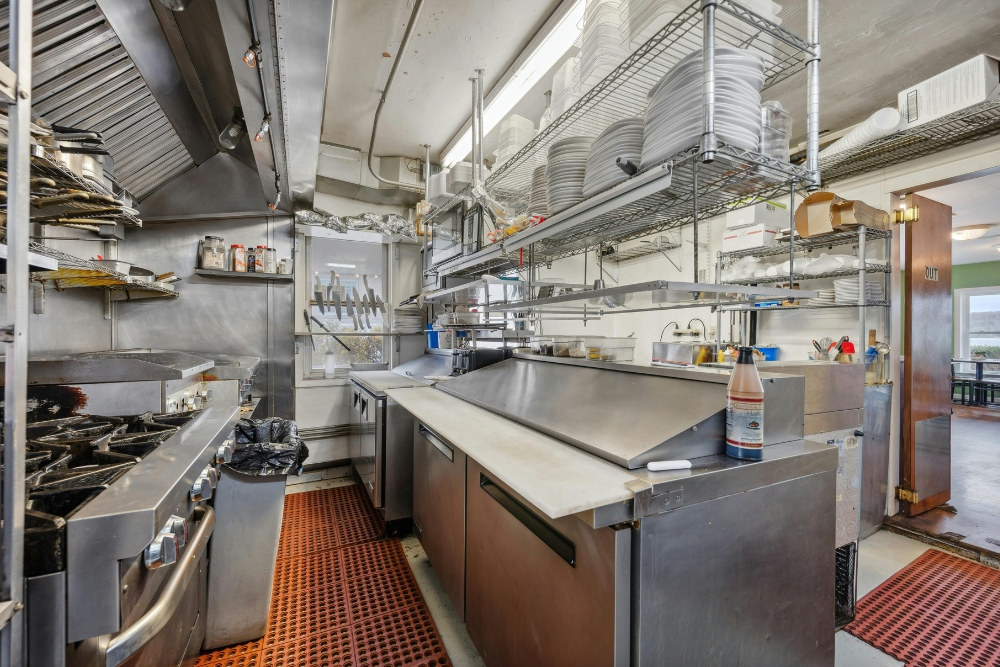
A commercial dishwasher hospital NSW operation supports more than meal preparation. Reliable dishwashing systems prevent contamination and ensure hospital kitchens meet strict hygiene and safety standards.
High-temperature disinfection, consistent water pressure and accurate chemical dosing help maintain reliable sanitation. Routine maintenance and data recording confirm that each cycle operates within approved temperature and chemical ranges.
Hospitals seeking servicing or equipment assistance can contact us to arrange maintenance or installation for their kitchen systems. Regular inspections and record keeping maintain safe performance and compliance across all hospital service areas.
Hospital dishwashers must meet Australian regulations, including AS/NZS 4187, which sets temperature and sanitation requirements for reusable kitchen equipment. Compliance ensures hygiene and infection control in hospital environments.
Dishwashers in hospital kitchens should be serviced by qualified technicians every three months, or more frequently if used continuously. Regular servicing prevents faults and confirms that disinfection cycles operate correctly.
Data logging provides evidence that each wash meets required hygiene temperatures and chemical levels. These records are used for compliance reporting and audit verification.
Yes. Selecting energy-efficient machines and maintaining correct water pressure can lower resource use. Cleaning filters and checking spray arms regularly also improves washing efficiency.
High-capacity conveyor or rack systems are best suited for main hospital kitchens. They process large volumes quickly and maintain consistent disinfection temperatures throughout extended service periods.
We have all been there. You are sitting at your desk in a jumper while the person three metres away is practically fanning themselves with

You know the scenario. You’ve got the ducted air con set to a comfortable 24°C. The living room feels perfect. But walk down the hallway