Tips
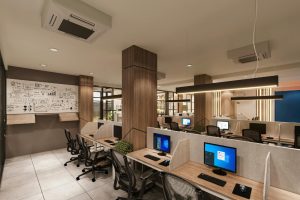
What Causes Uneven Cooling in Open-Plan Offices?
We have all been there. You are sitting at your desk in a jumper while the person three metres away is practically fanning themselves with

Selecting a commercial fridge is one of the key decisions for any organisation that handles food, beverages, or perishable goods. The right system maintains safe temperatures, preserves product quality, and supports compliance with Australian food-safety standards. In 2026, technology and design improvements are delivering greater reliability and energy performance across the refrigeration sector.
Businesses now face rising energy costs and stricter efficiency requirements under the GEMS and MEPS programs. Modern commercial fridges use low-emission refrigerants such as R290 propane and feature digital temperature control, improved insulation, and smarter compressors. These developments help reduce operating expenses while maintaining consistent cooling.
The following sections outline the leading commercial fridge types used across Australian hospitality, retail, and food-service operations. Each option offers practical advantages in storage capacity, visibility, and compliance to suit different business environments.
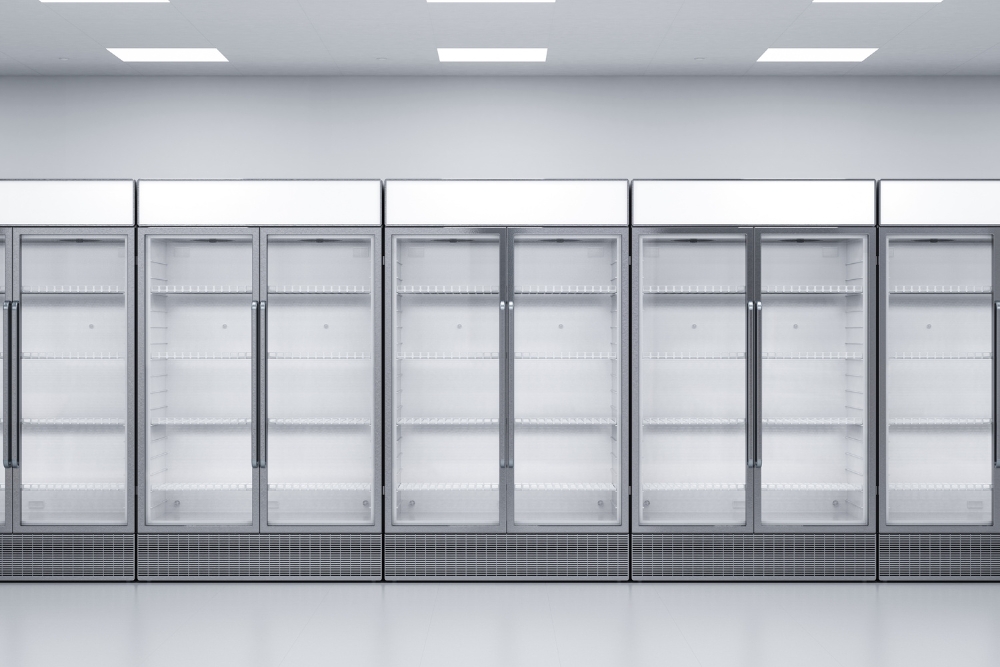
Upright display fridges remain one of the most practical choices for cafes, restaurants, and convenience stores. They are designed to keep chilled products visible and accessible while maintaining consistent temperature control. Clear glass doors and LED lighting improve product presentation, making these units suitable for drinks, dairy products, and desserts.
Recent models are built to meet Minimum Energy Performance Standards (MEPS) under the GEMS regulations, ensuring efficiency and lower running costs. Many include digital thermostats, variable-speed compressors, and better insulation to maintain steady cooling performance throughout the day.
The design of upright display fridges also allows for easy cleaning and maintenance, which supports hygiene compliance in high-traffic food environments. Businesses benefit from the ability to adjust shelves, customise layouts, and monitor temperature levels in real time.
These features make upright display units a reliable and cost-effective choice for front-of-house refrigeration.
Under-counter fridges are designed for compact spaces where convenience and accessibility are essential. They are commonly used in bars, cafes, and small kitchens, allowing staff to store frequently used ingredients or beverages within reach during service. Their placement beneath benches or workstations helps improve workflow and save valuable floor space.
Modern under-counter models are built with durable materials and reinforced doors to handle heavy daily use. Many are equipped with R290 refrigerant systems, providing effective cooling with a lower environmental impact. Quiet fan motors and precise temperature control also make them suitable for open or customer-facing areas.
Energy-rated designs now include automatic defrosting, digital temperature displays, and removable shelving for easy cleaning. These updates contribute to hygiene and operational efficiency while keeping energy consumption low. Under-counter fridges offer a practical balance between performance, accessibility, and space management for hospitality and retail operations.
Two-door solid fridges provide dependable back-of-house storage for larger hospitality and food-service operations. Their insulated metal doors help maintain stable temperatures even during frequent use, making them suitable for storing ingredients, prepared meals, and bulk supplies.
Modern units feature self-closing doors, adjustable shelving, and heavy-duty castors for easier cleaning and repositioning. Improved gasket seals and high-efficiency compressors lower energy use while keeping food at safe temperatures. Most new models are registered under the GEMS Refrigerated Cabinets Determination 2024, confirming compliance with Australian MEPS standards.
Many two-door fridges now use R290 refrigerant or CO₂ systems to meet current environmental targets under the national HFC phase-down program. Temperature displays and alarms allow staff to monitor performance and prevent food-safety breaches. With robust construction and straightforward maintenance, two-door solid fridges remain a reliable choice for kitchens that require capacity, efficiency, and consistent cooling.
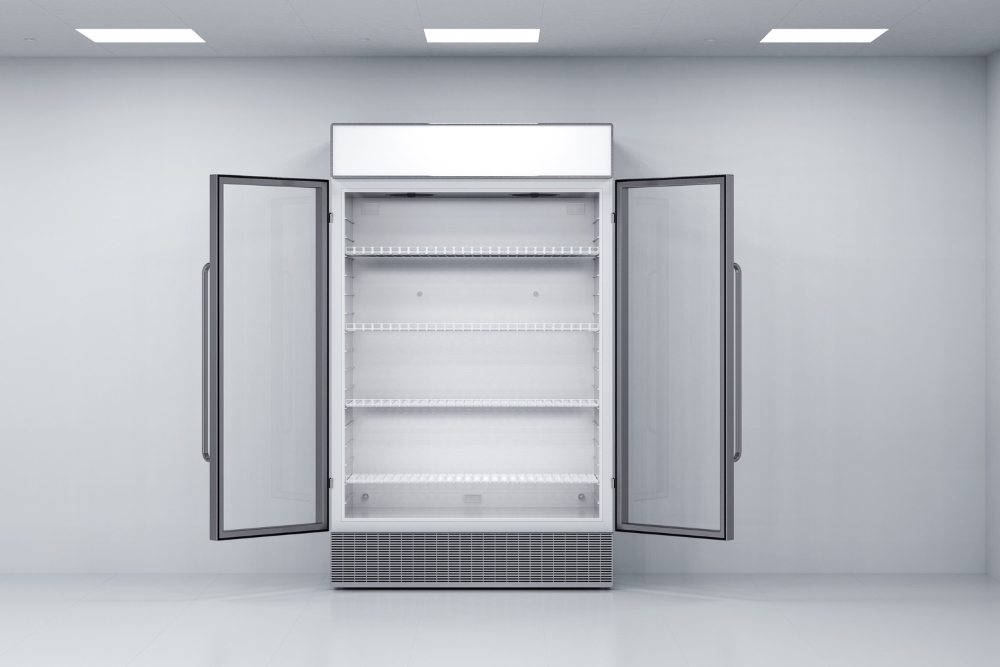
Glass-door beverage coolers are widely used in retail, bar, and hospitality spaces where product visibility supports sales and service efficiency. Clear glass panels and interior lighting make it easy for customers and staff to identify products quickly while maintaining consistent temperatures.
Current models meet GEMS and MEPS requirements, confirming efficient power consumption and reliable cooling performance. Many units include double-glazed, anti-fog doors and LED lighting systems that reduce heat output and operating costs. Temperature ranges are digitally controlled, allowing accurate adjustment for different beverages or ambient conditions.
Newer coolers use R290 refrigerant or other low-emission systems to meet environmental targets under Australia’s HFC phase-down program. Adjustable shelving and compact footprints make these fridges suitable for front-of-house display areas or self-service retail layouts. Their mix of presentation and performance helps maintain quality standards while managing energy costs effectively.
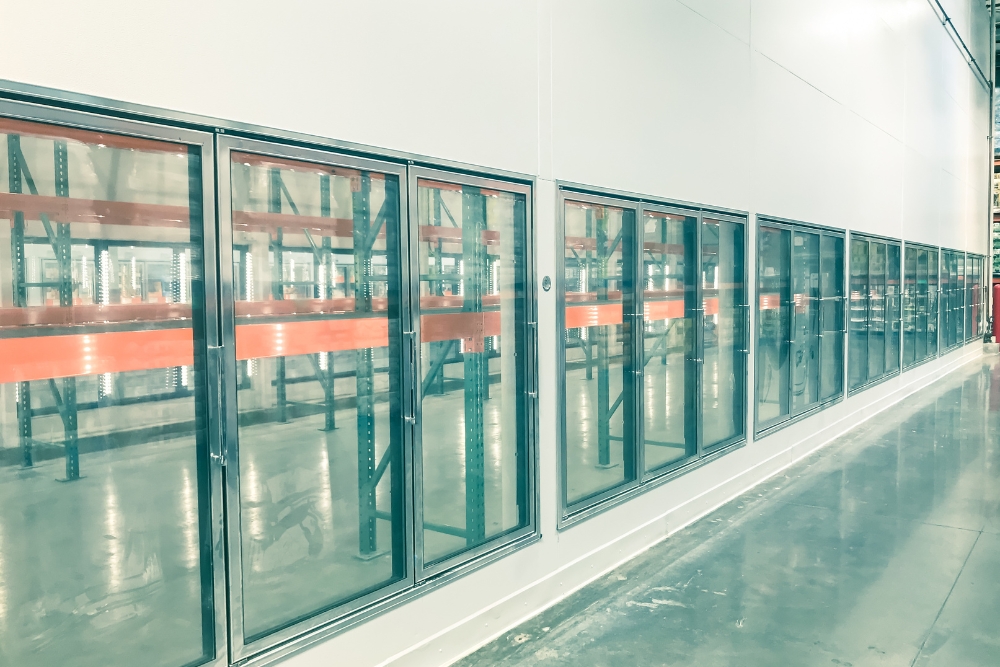
Walk-in cool rooms provide large-scale storage for food, beverages, and perishable goods in commercial kitchens, supermarkets, and catering facilities. They are designed to maintain consistent temperatures for bulk inventory while supporting safe and efficient operations.
In 2026, most walk-in systems are supplied with energy-rated compressors and insulated panel construction to reduce temperature fluctuations and improve efficiency. Businesses can customise layouts to suit workflow, product type, and available space, making these installations practical for both new and existing facilities.
Compliance with Australian refrigeration standards, including AS/NZS 5149 and GEMS registration, ensures safe operation and energy performance. Many walk-in rooms now use R290 or CO₂-based refrigerants as part of Australia’s transition away from high-GWP gases. Integrated monitoring systems and alarm functions also help staff track temperature changes and maintain food-safety requirements at all times.
Walk-in cool rooms combine durability, adaptability, and energy efficiency, making them essential for businesses that require reliable cold storage on a larger scale.
Selecting the right commercial fridge depends on the available space, the type of products stored, and the level of daily use. Each category—upright, under-counter, solid-door, glass-door, and walk-in—offers specific benefits suited to different business environments. Assessing temperature requirements, storage volume, and accessibility helps identify the most efficient model for the task.
Businesses are encouraged to consider GEMS and MEPS ratings when reviewing specifications. Energy labels provide information about average power use in kilowatt-hours per 24 hours (kWh/24h), helping compare long-term running costs. Models that use natural refrigerants, such as R290 or CO₂, support sustainability goals and compliance with Australia’s refrigerant management regulations.
Routine maintenance and correct installation also play an important role in performance. Checking door seals, airflow, and condenser cleanliness can extend equipment life and reduce energy costs. These practical steps help maintain reliable temperature control and product safety in line with Australian standards.
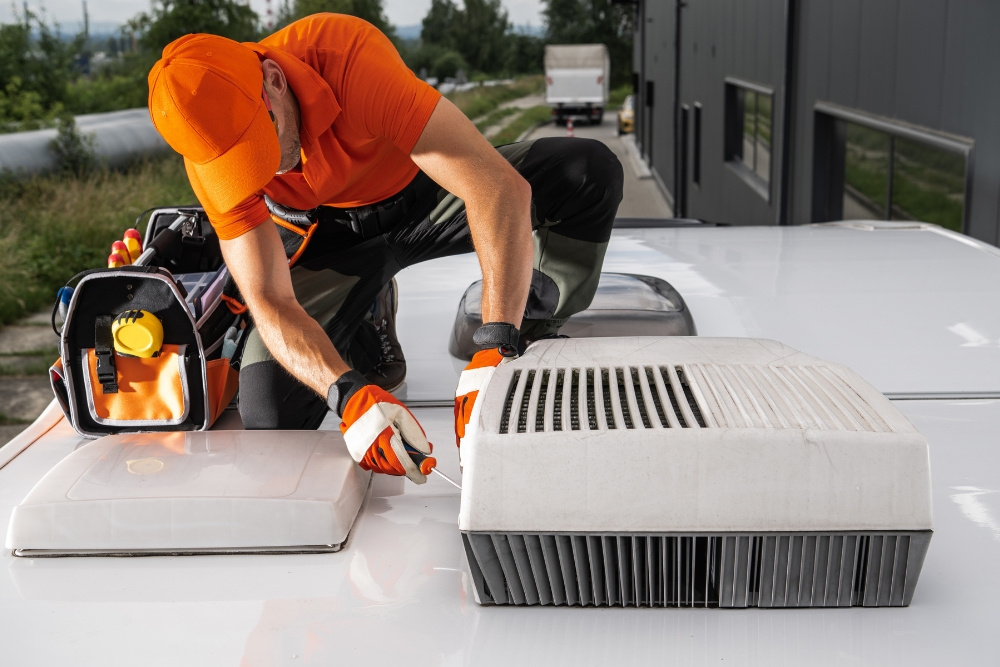
Installing a commercial fridge correctly is essential for safety, performance, and compliance. Professional installation ensures each system meets Australian refrigeration and electrical standards, including RCM certification and proper ventilation requirements. Technicians can position units to maintain airflow, prevent overheating, and reduce strain on compressors, extending the lifespan of the equipment.
Regular maintenance also helps maintain energy efficiency and product safety. Scheduled servicing includes checking refrigerant charge, testing temperature accuracy, and cleaning condenser coils. Keeping detailed maintenance records supports warranty conditions and aligns with Food Standards Australia New Zealand (FSANZ) hygiene requirements.
Coles Refrigeration & Air Conditioning provides installation, servicing, and repairs for commercial refrigeration systems across Australia. Our experienced technicians assist with setup, system testing, and ongoing maintenance to help keep operations running efficiently. Contact us for reliable technical support and compliant refrigeration solutions suited to Australian business environments.
The most common types include upright display fridges, under-counter units, two-door solid fridges, glass-door beverage coolers, and walk-in cool rooms. Each model serves a different storage capacity and service requirement.
Look for GEMS-registered appliances and review the Energy Rating Label, which lists average energy use in kWh per 24 hours. Comparing this figure helps estimate long-term running costs.
Yes. Most new models use R290 propane or CO₂ systems that meet Australia’s HFC phase-down targets. They also comply with updated MEPS efficiency standards.
Routine maintenance should occur every six to twelve months. Technicians check refrigerant charge, temperature accuracy, and coil condition to maintain efficiency and product safety.
Appliances must meet GEMS and MEPS requirements and follow AS/NZS 5149 safety standards for design, installation, and operation in commercial environments.
We have all been there. You are sitting at your desk in a jumper while the person three metres away is practically fanning themselves with
You know the scenario. You’ve got the ducted air con set to a comfortable 24°C. The living room feels perfect. But walk down the hallway