Tips
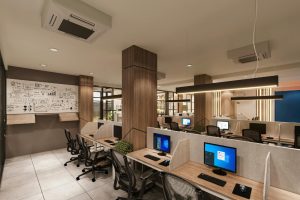
What Causes Uneven Cooling in Open-Plan Offices?
We have all been there. You are sitting at your desk in a jumper while the person three metres away is practically fanning themselves with

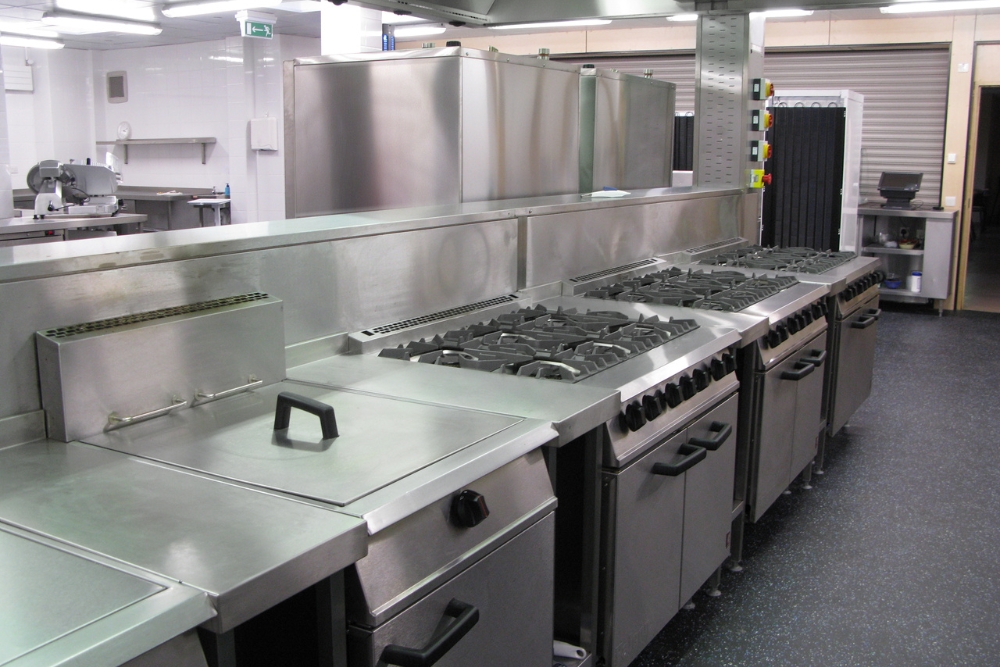
Energy-efficient catering equipment reduces running costs by using less electricity and gas while maintaining the same level of performance. In commercial kitchens, appliances such as ovens, fridges, and dishwashers operate for long hours, making energy use one of the biggest ongoing expenses.
When equipment consumes more power than necessary, energy bills rise and maintenance demands increase. Over time, this can significantly affect a business’s profit margins, especially in busy restaurants, cafés, and catering operations.
Upgrading to energy-efficient appliances helps cut costs, reduce waste, and extend the lifespan of your kitchen equipment. It’s a practical way to improve performance while meeting Australian energy standards and sustainability goals.
Commercial kitchens use more energy than most other workplaces. Ovens, cooktops, fridges, and dishwashers often run for long hours, sometimes around the clock, making power and gas a major operational cost. Industry reports show that energy use can account for up to 30 per cent of a restaurant’s total expenses.
Energy-efficient appliances help reduce that load. They are designed to perform the same tasks using less electricity or gas through better insulation, precision controls, and advanced technology. For example, a high-efficiency fridge maintains steady temperatures with less compressor activity, and an induction cooktop transfers heat directly to the cookware, cutting power use and cooking time.
In Australia, appliances are tested under the Greenhouse and Energy Minimum Standards (GEMS) and rated through the Energy Rating Label system. Choosing products with higher star ratings ensures lower energy use, reduced emissions, and better compliance with national standards.

Energy-efficient catering equipment helps reduce costs in several ways, delivering both immediate and long-term savings.
Efficient appliances use less power or gas to achieve the same results. A commercial refrigerator or freezer with a high energy rating can use up to 40 per cent less electricity than an older model. Over a year, this can add up to significant savings on operating costs.
Modern, energy-efficient systems are engineered to operate with less heat, strain, and wear. This means fewer mechanical failures, lower repair costs, and a longer lifespan for key kitchen assets such as ovens, fridges, and dishwashers.
Many efficient appliances feature faster heating, precision temperature control, and programmable settings. These functions help staff work more efficiently and maintain consistent output, reducing idle time and improving overall workflow.
Refrigeration systems with variable-speed compressors and better insulation keep a more consistent temperature, reducing food waste and supporting food safety standards.
Energy-efficient kitchens use less electricity and gas, cutting greenhouse gas emissions. Businesses that invest in efficient technology also demonstrate environmental responsibility, which can support customer trust and brand reputation.
Not all appliances contribute equally to a kitchen’s energy use. Focusing on high-demand equipment first provides the best return on investment.
| Equipment Type | Key Energy-Efficient Features | Typical Savings or Benefits |
| Refrigeration Systems | High energy star rating, improved insulation, variable-speed compressors, LED lighting | Cuts energy use by up to 25%, lowers operating costs, and maintains stable temperatures |
| Ovens and Cooktops | Convection technology, induction heating, precise temperature control | Heats faster and more evenly, reducing cooking time and energy use by 15–30% |
| Dishwashers | Water recycling, insulated tanks, low-energy wash cycles | Reduces water and power use, saving on both utility and hot-water costs |
| Ice Machines and Beverage Coolers | Efficient compressors, eco-friendly refrigerants | Reduces refrigeration load and helps maintain steady performance in high-demand settings |
Upgrading these core appliances can significantly reduce energy waste and improve the overall performance of a commercial kitchen.
Selecting the right catering equipment requires more than comparing purchase prices. Energy efficiency depends on how well each appliance suits your kitchen’s size, layout, and workload.
Professional advice from a qualified technician or kitchen designer can ensure every appliance is positioned and configured for maximum energy performance.
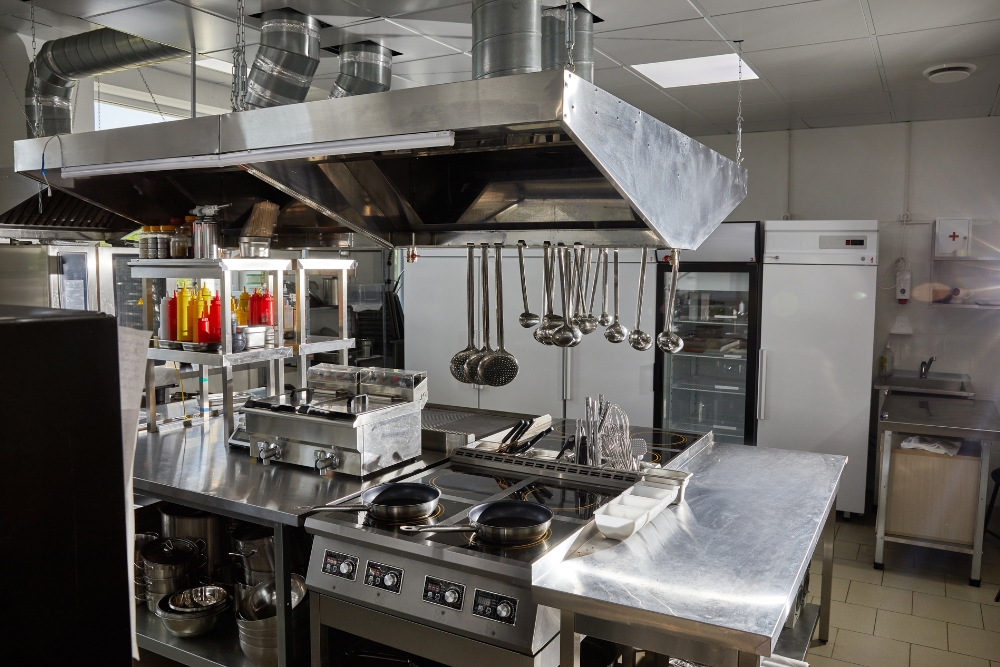
Energy-efficient catering equipment delivers savings that extend well beyond the initial purchase. Although these appliances often cost more upfront, the reduction in power and gas consumption quickly offsets the difference. Many businesses recover their investment within two to four years through lower utility bills and reduced maintenance expenses.
The long-term benefits also include smoother operations, consistent performance, and fewer equipment replacements. Efficient systems run with less strain, extending service life and minimising downtime.
Beyond financial savings, energy-efficient kitchens contribute to lower emissions and improved environmental performance. This supports corporate sustainability goals and strengthens a business’s public reputation.
Choosing equipment that meets Australian Energy Rating and GEMS standards ensures continued compliance, cost control, and operational reliability over time.
Check each appliance for an Energy Rating Label or manufacturer efficiency data. If no label is present, it’s likely the unit predates current standards and uses more energy than modern models.
Yes, if it runs for long hours or consumes high power. Replacing older refrigeration or cooking units can often cut utility costs enough to recover the investment within a few years.
Many buyers focus on purchase price instead of life-cycle costs. The true value of efficient equipment lies in long-term energy and maintenance savings, not the initial cost.
Some councils and environmental programs encourage tracking energy use, especially for larger commercial operations. Keeping basic consumption records can help identify savings and support sustainability reporting.
Yes. Appliances that release less heat reduce strain on air-conditioning systems and create a cooler, safer kitchen environment for staff.
Energy efficiency in catering equipment is one of the simplest ways to lower ongoing costs and improve kitchen performance. Selecting the right appliances can reduce power and gas use, minimise maintenance needs, and support compliance with Australian energy standards.
For professional advice and installation, contact Coles Refrigeration & Air Conditioning. Our team supplies and installs energy-efficient catering equipment for businesses across Newcastle, Lake Macquarie, the Central Coast, and nearby regions.
We have all been there. You are sitting at your desk in a jumper while the person three metres away is practically fanning themselves with
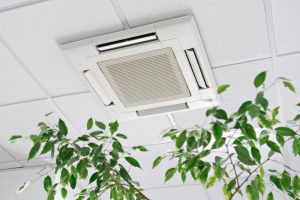
You know the scenario. You’ve got the ducted air con set to a comfortable 24°C. The living room feels perfect. But walk down the hallway